Introduction to the book of Leviticus
The Book of Leviticus receives its English title from the Latin Vulgate, which is derived from the Greek Septuagint (LXX) title Leuitikon (Λευιτικόν), meaning “Levitical” or “pertaining to the Levites.”
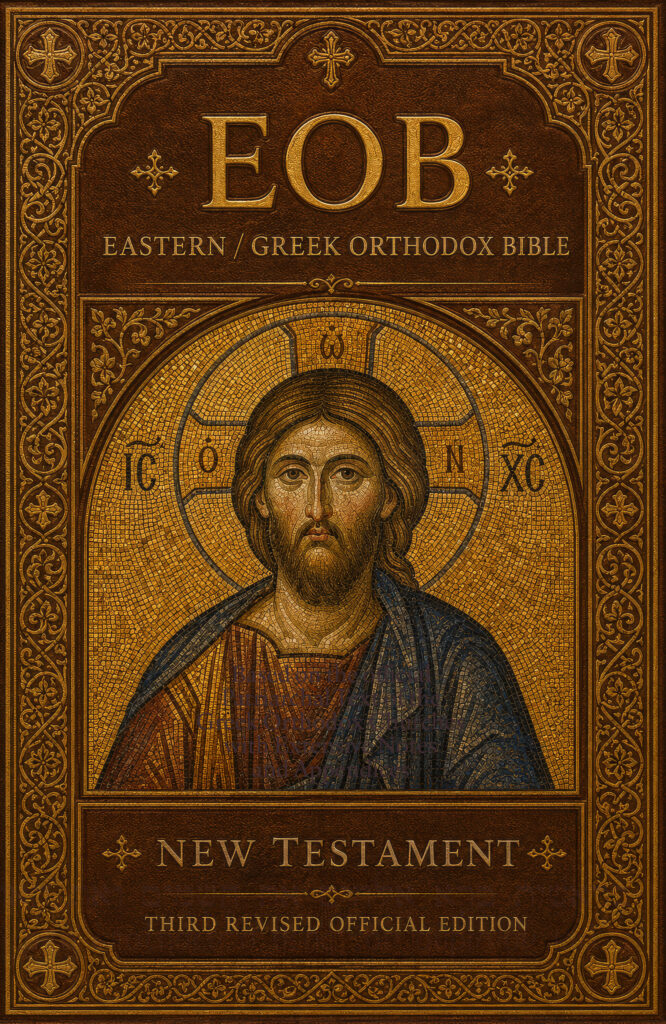
EOB: Official Site of the Eastern / Greek Orthodox Bible (Old and New Testament)
EOB (Eastern / Greek Orthodox Bible):
EOB Footnote:
KJV (King James Version):
WEB (World English Bible):
Benton LXX (Vaticanus):
Douai-Rheims (Vulgate):
Apostoliki Diakonia (LXX):
YLT (Young Literal Translation )(MT):
BBE (Bible in Basic English):
EOB Commentary:
Genesis 1:31 Commentary
The Divine Affirmation of Creation’s Goodness
This verse represents the climactic declaration of the creation narrative, where God surveys the entirety of His work and pronounces it not merely “good” (tov) as with previous days, but “very good” (tov meod). The intensification carries profound theological weight, indicating that creation in its totality—including the newly formed human beings made in God’s image—possesses a fullness of goodness that exceeds the sum of its parts.
Christological Significance:
The Fathers consistently understood the Logos, the eternal Word, as the agent through whom all things were made. Saint John’s Gospel opens with deliberate echoes of Genesis: “In the beginning was the Word.” The goodness pronounced over creation flows from the Word Himself, who would later enter this very good creation through the Incarnation. Saint Athanasius teaches that the Word who fashioned humanity in the beginning is the same Word who refashioned fallen humanity through His becoming flesh. The original goodness of creation thus becomes the foundation for understanding why God deemed it worthy of redemption rather than abandonment.
Patristic Teaching:
Saint Basil the Great, in his Hexaemeron, emphasizes that this declaration refutes any notion that matter is inherently evil—a teaching that plagued the early Church through various Gnostic heresies. The goodness of creation is ontological, rooted in its origin from the good God. Saint Gregory of Nyssa further develops this understanding, noting that evil has no substantial existence but is rather a privation, a turning away from the good that God established.
Liturgical Connections:
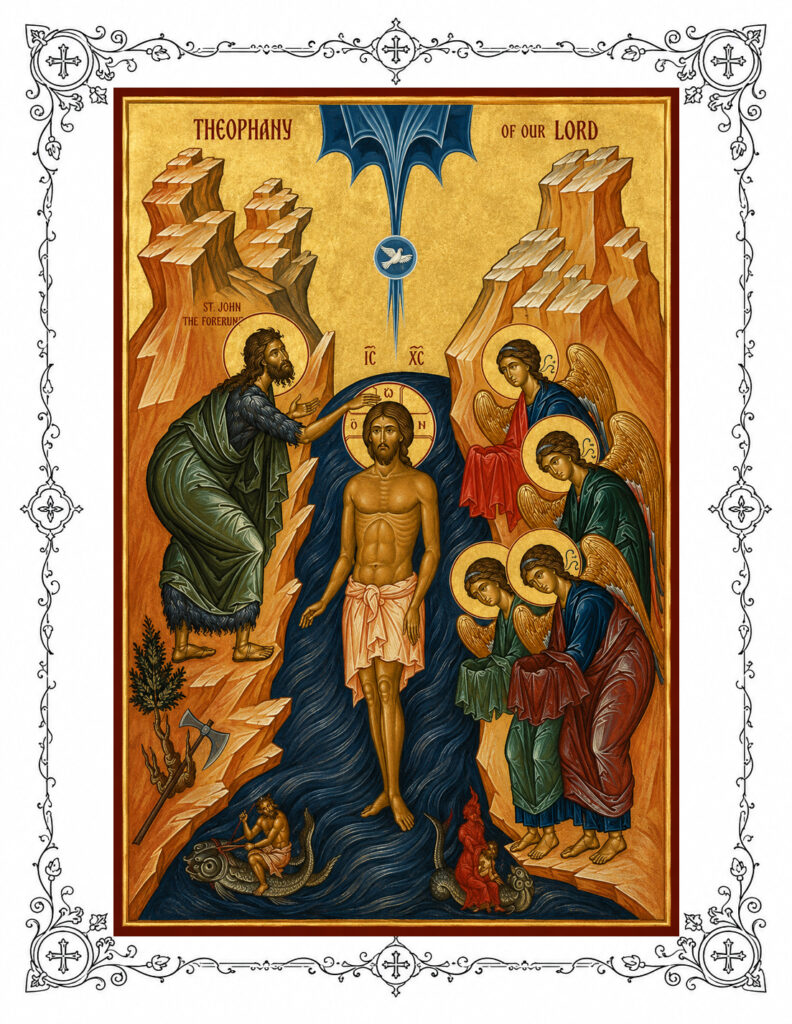
The Orthodox Church celebrates the goodness of creation throughout its liturgical life. The blessing of waters, fruits, homes, and all material things presupposes this foundational truth. The Feast of Theophany, when the waters of the Jordan and indeed all waters are sanctified, demonstrates that creation remains capable of bearing divine grace precisely because of its original goodness. The use of bread, wine, oil, and incense in worship affirms that material creation participates in the economy of salvation.
Spiritual Implications:
For Orthodox spirituality, this verse grounds the ascetical life properly. Fasting and self-denial are not rejections of creation’s goodness but rather disciplines that restore the proper ordering of the human person toward God. The body is not evil; it is very good, though now requiring healing and transformation. The goal of theosis—deification—includes the transfiguration of the whole person, body and soul, because both were declared very good from the beginning. Creation awaits not destruction but glorification, groaning in anticipation of the revelation of the children of God, as Saint Paul teaches in Romans 8.
The Book of Leviticus receives its English title from the Latin Vulgate, which is derived from the Greek Septuagint (LXX) title Leuitikon (Λευιτικόν), meaning “Levitical” or “pertaining to the Levites.”

The Book of Exodus receives its English title from the Greek Septuagint (LXX), where it is called Exodos (Ἔξοδος), meaning “departure” or “exit.” This name was chosen because the central

I. Date and Authorship Holy Tradition of the Orthodox Church, affirmed by the Fathers and the liturgical usage of the Church from the earliest centuries, attributes the Book of Genesis

Does Hebrews 11 on the Maccabees Show Stronger Alignment with 4 Maccabees than 2 Maccabees? Hebrews 11 (the famous “Hall of Faith” chapter) does not explicitly mention the Maccabees by