Genesis 2:25
The Primordial State of Innocence
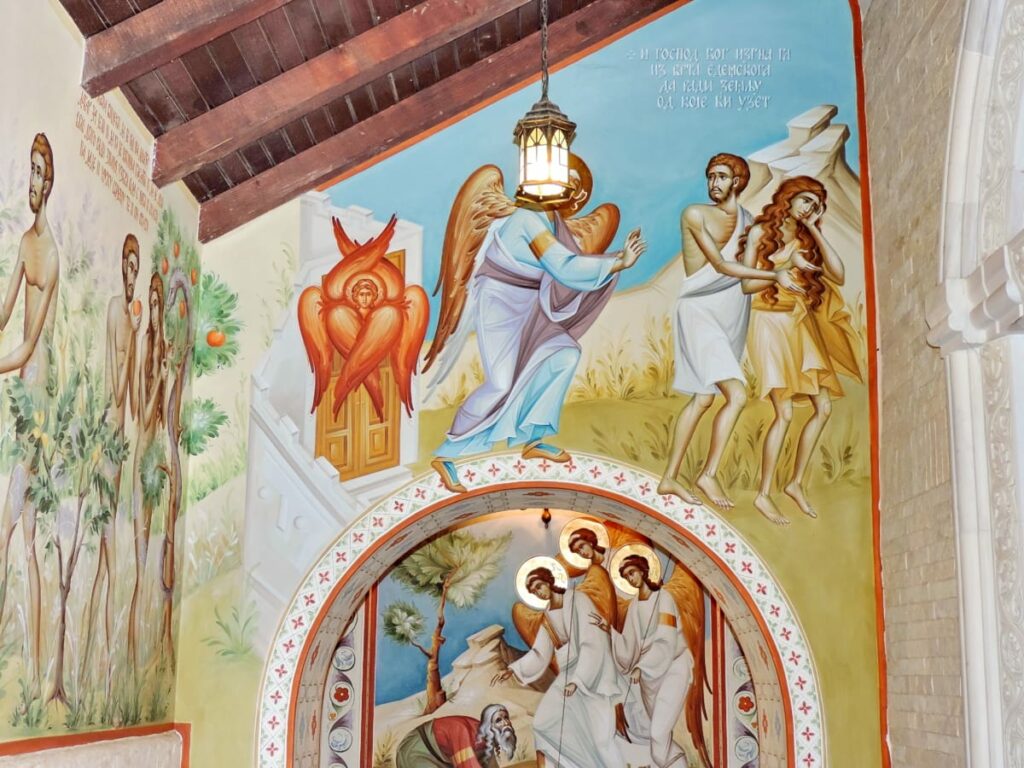
This verse presents the culmination of the creation narrative’s account of humanity before the Fall, describing Adam and Eve as naked yet without shame. For Orthodox theology, this brief statement carries profound significance regarding the original condition of human nature and its relationship to God.
Patristic Interpretation: The Church Fathers understood this nakedness as far more than physical exposure. Saint John Chrysostom teaches that Adam and Eve were clothed in divine glory, wrapped in the radiance of God’s grace that rendered physical covering unnecessary. Their bodies, not yet subject to corruption or disordered passions, reflected the beauty of the divine image without distortion. Saint Gregory of Nyssa similarly emphasizes that shame entered only when sin disrupted the harmony between body and soul, between humanity and God.
Saint John of Damascus explains that the absence of shame indicated the perfect integration of human nature—the body was fully subject to the soul, and the soul was fully oriented toward God. There was no internal conflict, no rebellion of the flesh against the spirit that would later characterize fallen humanity.
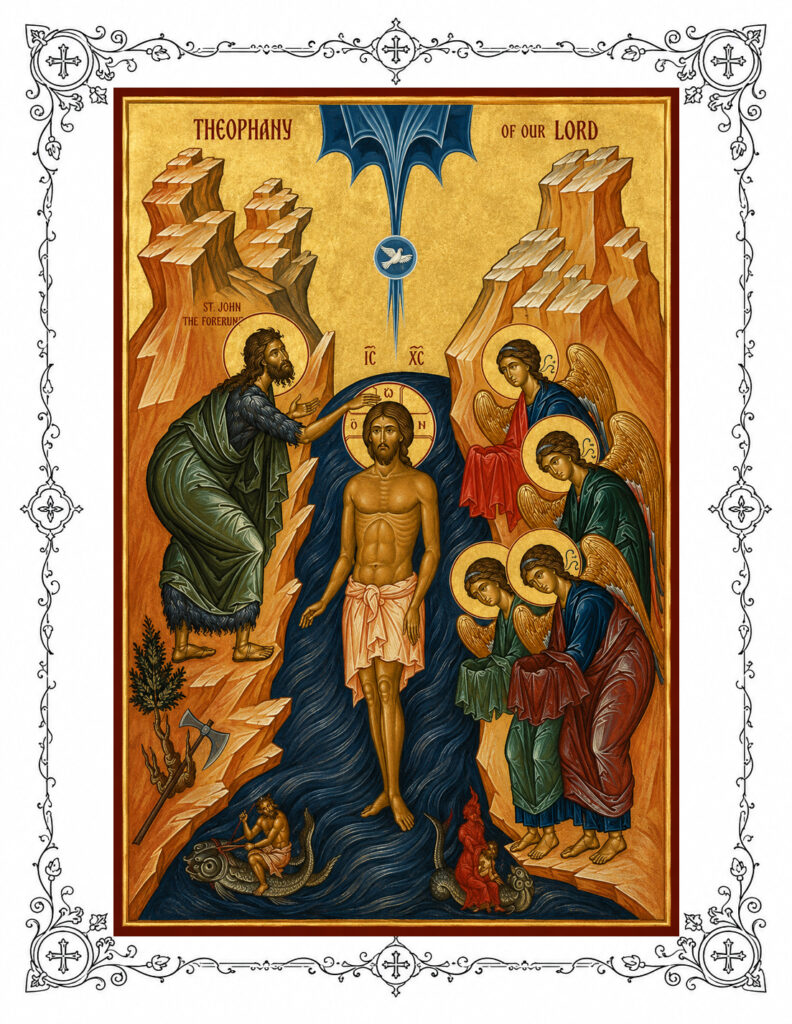
Christological Significance: This verse finds its fulfillment in Christ, the New Adam. Where the first Adam lost his garment of glory through disobedience, Christ restores it through His Incarnation, death, and Resurrection. The Orthodox understanding of baptism reflects this reality—the baptismal rite includes the removal of garments, symbolizing the putting off of the old man, followed by the clothing in white robes representing the restored garment of incorruption.
Liturgical Connections: The hymnography of Great Lent frequently references this theme. The Lenten Triodion speaks of Adam weeping outside Paradise, lamenting his lost glory. The kontakion of Forgiveness Sunday explicitly mentions Adam sitting before Paradise, bewailing his nakedness—not physical nakedness, but the loss of divine covering.
In the baptismal service, the priest prays that the newly illumined may preserve the garment of incorruption, directly connecting the sacrament to the restoration of what was lost in Eden.
Spiritual Application: For Orthodox spirituality, this verse establishes the goal of theosis—the return to that state of transparent communion with God where nothing is hidden, where shame has no place because sin has been overcome. The ascetic tradition aims at this restoration, seeking through prayer, fasting, and repentance to heal the fragmentation introduced by the Fall and to recover, through grace, the original simplicity and purity of the first-created humans.