Introduction to the book of Leviticus
The Book of Leviticus receives its English title from the Latin Vulgate, which is derived from the Greek Septuagint (LXX) title Leuitikon (Λευιτικόν), meaning “Levitical” or “pertaining to the Levites.”
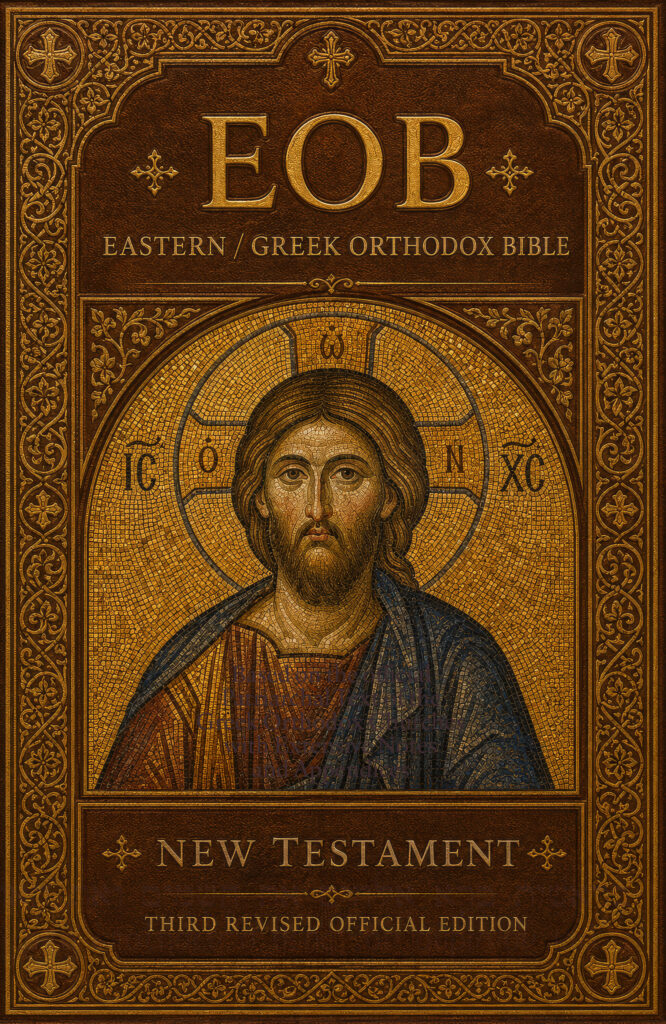
EOB: Official Site of the Eastern / Greek Orthodox Bible (Old and New Testament)
EOB (Eastern / Greek Orthodox Bible):
EOB Footnote:
KJV (King James Version):
WEB (World English Bible):
Benton LXX (Vaticanus):
Douai-Rheims (Vulgate):
Apostoliki Diakonia (LXX):
YLT (Young Literal Translation )(MT):
BBE (Bible in Basic English):
EOB Commentary:
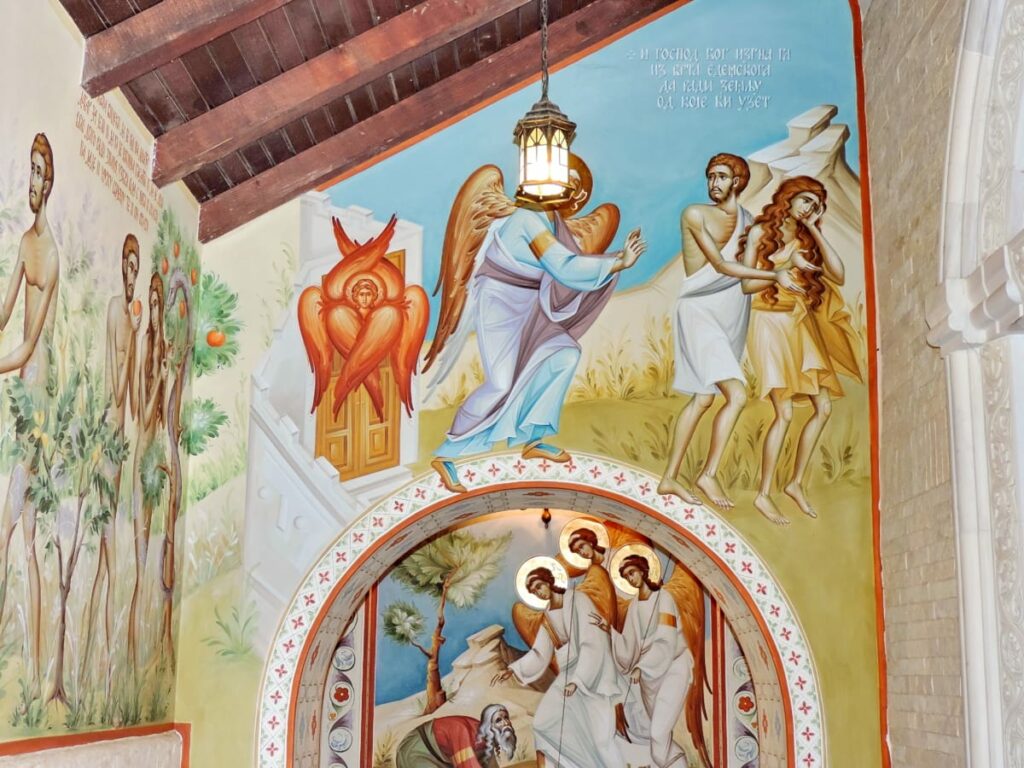
GENESIS 3:10 COMMENTARY
The Voice of God and the Birth of Fear
This verse marks a profound turning point in human spiritual history—the first expression of fear toward God. Adam’s words reveal the catastrophic transformation wrought by sin: the One whose voice previously brought joy and communion now evokes terror and concealment. The Hebrew word for “afraid” (yare) here carries the sense of dread rather than holy reverence, indicating the rupture in the divine-human relationship.
Patristic Interpretation: Saint John Chrysostom observes that Adam’s nakedness was not newly discovered but newly experienced. Before the fall, the glory of God clothed our first parents; after sin, this garment of light departed, leaving them exposed not merely physically but spiritually. Saint Gregory of Nyssa similarly teaches that the awareness of nakedness represents the loss of divine grace that had previously adorned human nature with incorruption.
Christological Significance: The Church Fathers see in Adam’s hiding a pattern reversed by Christ. Where Adam fled from God’s voice in the garden, Christ—the New Adam—willingly entered the garden of Gethsemane to meet the Father’s will. Saint Irenaeus develops this parallel extensively, showing how Christ’s obedience heals Adam’s disobedience. Furthermore, Christ himself became “naked” upon the Cross, bearing our shame to restore the garment of glory.
Liturgical Connections: The theme of Adam’s fear and hiding permeates the hymnography of Forgiveness Sunday and the beginning of Great Lent. The Church sings of Adam sitting outside Paradise, weeping for what was lost. This liturgical remembrance calls the faithful to recognize their own spiritual nakedness and need for the divine Physician. The Paschal celebration likewise proclaims Christ’s descent into Hades to seek Adam who was hiding in the depths of death.
Spiritual Application: The Orthodox ascetical tradition understands this verse as describing the fundamental human condition apart from grace. We continue to hide from God through distraction, self-justification, and spiritual blindness. The sacrament of Confession represents the reversal of Adam’s hiding—we come forth from concealment to stand before God, acknowledging our nakedness. Saint Isaac the Syrian teaches that the one who sees his own sins is greater than one who sees angels, for such vision requires the courage Adam lacked.
The voice of God walking in the garden continues to sound through Scripture, through the Church, and through conscience. Our response determines whether we experience that voice as judgment or as the loving call of the Father seeking His lost children.
The Book of Leviticus receives its English title from the Latin Vulgate, which is derived from the Greek Septuagint (LXX) title Leuitikon (Λευιτικόν), meaning “Levitical” or “pertaining to the Levites.”

The Book of Exodus receives its English title from the Greek Septuagint (LXX), where it is called Exodos (Ἔξοδος), meaning “departure” or “exit.” This name was chosen because the central

I. Date and Authorship Holy Tradition of the Orthodox Church, affirmed by the Fathers and the liturgical usage of the Church from the earliest centuries, attributes the Book of Genesis

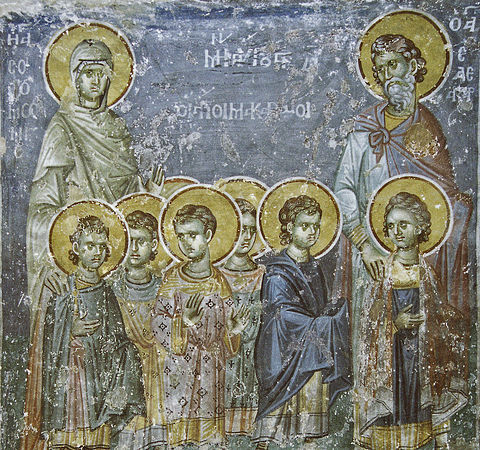
Does Hebrews 11 on the Maccabees Show Stronger Alignment with 4 Maccabees than 2 Maccabees? Hebrews 11 (the famous “Hall of Faith” chapter) does not explicitly mention the Maccabees by