Genesis 3:12
The Man’s Deflection and the Rupture of Communion
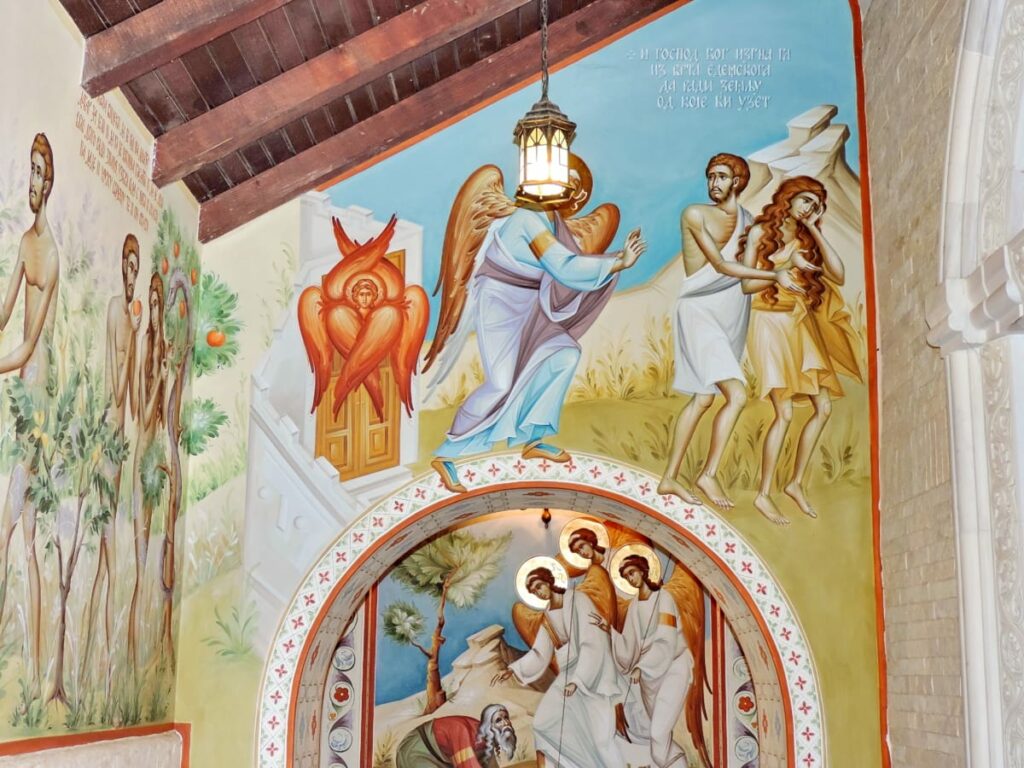
In this verse, Adam responds to God’s inquiry not with repentance but with accusation, directing blame simultaneously toward Eve and, more subtly, toward God Himself: “The woman whom You gave to be with me, she gave me of the tree, and I ate.” This response reveals the immediate spiritual consequences of the fall—the fracturing of communion between God and humanity, and between man and woman.
The Fathers consistently note that Adam’s words represent a failure of authentic confession. Saint John Chrysostom observes that had Adam simply acknowledged his transgression with humility, he would have received mercy. Instead, by shifting responsibility, he compounds his sin. Chrysostom writes that Adam essentially accuses God, suggesting that the Creator bears fault for providing the woman. This represents the inversion of thanksgiving—the gift of Eve, given for communion and mutual support, becomes in Adam’s fallen perception a cause for complaint.
Typological Significance for Christ and the Church
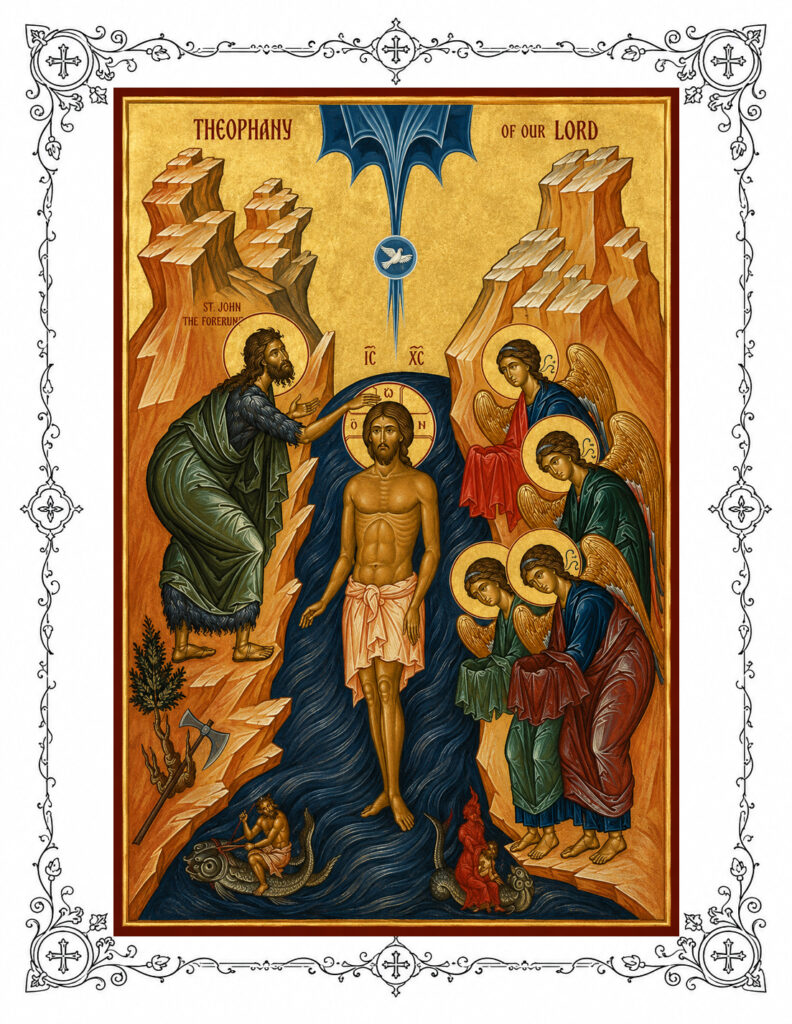
The Orthodox tradition reads this passage in light of Christ as the New Adam. Where the first Adam blamed his bride for his fall, Christ the Bridegroom takes upon Himself the sins of His Bride, the Church. The contrast is striking: Adam’s words distance him from Eve and from God, while Christ draws near to sinful humanity, assuming responsibility not His own. Saint Irenaeus develops this Adam-Christ typology extensively, showing how Christ’s obedience reverses Adam’s disobedience at every point.
Furthermore, where Adam hides behind Eve, Christ stands before Pilate in silence, accepting condemnation without deflection. The self-justifying speech of the first Adam finds its redemptive counterpart in the salvific silence of the Second Adam.
Liturgical and Spiritual Dimensions
The theme of authentic confession versus self-justification permeates Orthodox liturgical life. The preparatory prayers before Holy Communion echo the opposite spirit of Adam’s response, as the faithful acknowledge their sins without excuse. The Prayer of Saint Ephrem, prayed throughout Great Lent, specifically asks God to remove “the spirit of idle talk and self-justification”—spiritual diseases that find their origin in this very exchange in Eden.
The Forgiveness Vespers of Cheesefare Sunday directly addresses the rupture depicted in Genesis 3. The mutual asking of forgiveness restores what Adam’s accusation destroyed: the communion of persons united in humility before God.
Orthodox spiritual writers identify Adam’s response as the prototype of all defensive rationalization that prevents genuine metanoia. True repentance requires what Adam refused to offer—simple acknowledgment without deflection, trusting in divine mercy rather than human excuse.