Genesis 5:3 Commentary
The Transmission of the Image
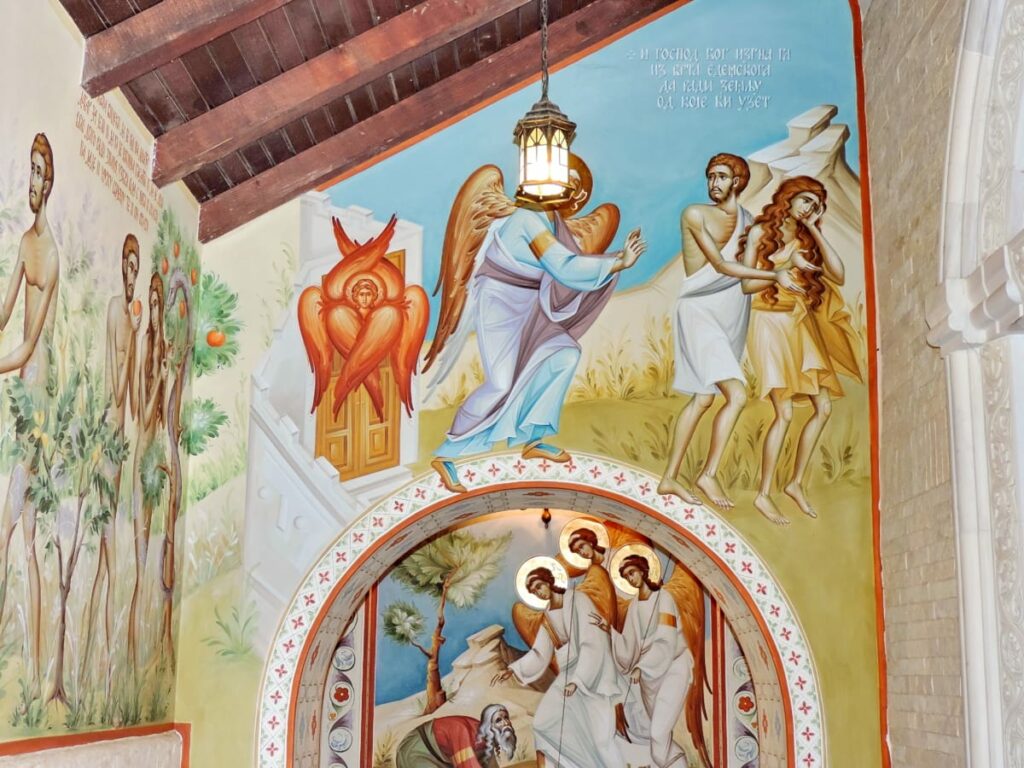
This verse marks a profound theological shift from the creation account. While Genesis 1:26-27 declares that Adam was made in the image and likeness of God (kat’ eikona Theou), here we read that Seth was begotten in Adam’s image and likeness. The Fathers understood this distinction as revealing the consequences of the Fall. Adam, having fallen from his original state of grace, could only transmit to his descendants a wounded nature—still bearing the divine image, yet now marked by mortality, corruption, and the inclination toward sin.
Saint Cyril of Alexandria observes that after the transgression, Adam begot children not in the pure image of God but in his own fallen image. The divine likeness, which the Fathers often associated with the dynamic movement toward God through virtue and grace, became obscured though not entirely lost. The image remained as the foundation of human dignity and the capacity for communion with God.
Christological Significance
This passage gains its fullest meaning when read in light of the Incarnation. The genealogy of Luke 3 traces Christ’s lineage back through Seth to Adam, and ultimately to God. Where Adam transmitted a fallen image to Seth, Christ—the New Adam—restores humanity to its original dignity and beyond. Saint Irenaeus of Lyon develops this theme extensively, teaching that what was lost in Adam is recovered and perfected in Christ. The Son of God became the Son of Man so that the sons of men might become sons of God.
The contrast is striking: Adam begets according to his fallen likeness at one hundred thirty years, but Christ, the eternal Son, begets spiritually through Baptism, restoring the faithful to the image and likeness of God. Saint Athanasius writes that the Word became flesh so that we might be made god—theosis representing the restoration and fulfillment of the original likeness.
Liturgical and Spiritual Dimensions
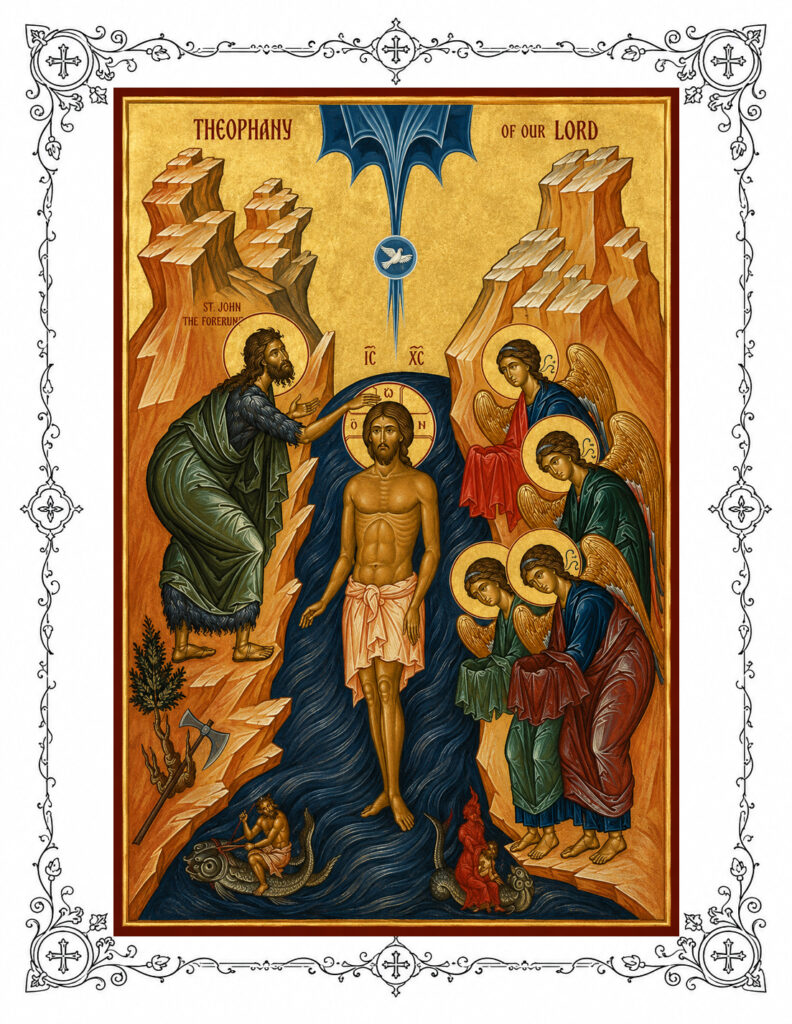
The Orthodox baptismal rite reflects this theology. The newly baptized is clothed in a white garment symbolizing the restoration of the original robe of glory that Adam lost. The prayer speaks of being renewed according to the image of the Creator. What natural generation could not accomplish—transmission of the uncorrupted image—sacramental regeneration achieves through union with Christ.
During the Sunday of the Holy Forefathers, the Church commemorates the righteous ancestors of Christ, including Seth. This liturgical remembrance places the genealogies within the economy of salvation, showing how God preserved a faithful line through whom the Savior would come, ultimately reversing the transmission of corruption through the transmission of grace.