EOB: Official Site of the Eastern / Greek Orthodox Bible (Old and New Testament)

Genesis 7:22

EOB (Eastern / Greek Orthodox Bible):

Every living thing on dry land that had the breath of life in its nostrils died.

EOB Footnote:

The MT includes the phrase “in whose nostrils was the breath of the spirit of life” (literally “breath of spirit of lives”), whereas the LXX reads simply “which has the breath of life.” The MT’s fuller expression emphasizes both the physical breath and the animating spirit, a distinction the LXX condenses. The MT also specifies “from all that was on dry land” where the LXX has “on the dry land,” a minor difference in emphasis. No DSS manuscript witness exists for this verse.

Other Translations:

KJV (King James Version):

All in whose nostrils was the breath of life, of all that was in the dry land, died.

WEB (World English Bible):

All on the dry land, in whose nostrils was the breath of the spirit of life, died.

Benton LXX (Vaticanus):

Sorry, this verse is not available in the Brenton translation of the Septuagint.

Douai-Rheims (Vulgate):

All things wherein there is the breath of life on the earth, died.

Apostoliki Diakonia (LXX):

Everything on dry land that had the breath of life in its nostrils died.

YLT (Young Literal Translation )(MT):

All in whose nostrils was breath of a living spirit, of all that is in the dry land, died.

BBE (Bible in Basic English):

Everything on the dry land, in which was the breath of life, came to its end.

EOB COMMENTARY:

EOB Commentary:

Genesis 7:22

Commentary

This verse describes the death of all land creatures possessing the breath of life (neshamah) in their nostrils during the great Flood. The phrase “breath of life” directly echoes Genesis 2:7, where God breathed into Adam the neshamah of life, making him a living soul. This deliberate verbal connection emphasizes the tragic reversal occurring in the Flood narrative: the very breath that God gave to animate His creation is now extinguished from all flesh outside the ark.

Patristic Interpretation: Saint Ephrem the Syrian notes that the specification of breath “in the nostrils” indicates the totality of destruction—every creature that breathed atmospheric air perished. Saint John Chrysostom sees in this verse a sobering reminder of divine judgment, emphasizing that God’s patience, though long-suffering, does reach its appointed limit. The Fathers consistently read this passage as demonstrating both the severity of sin’s consequences and the necessity of repentance.

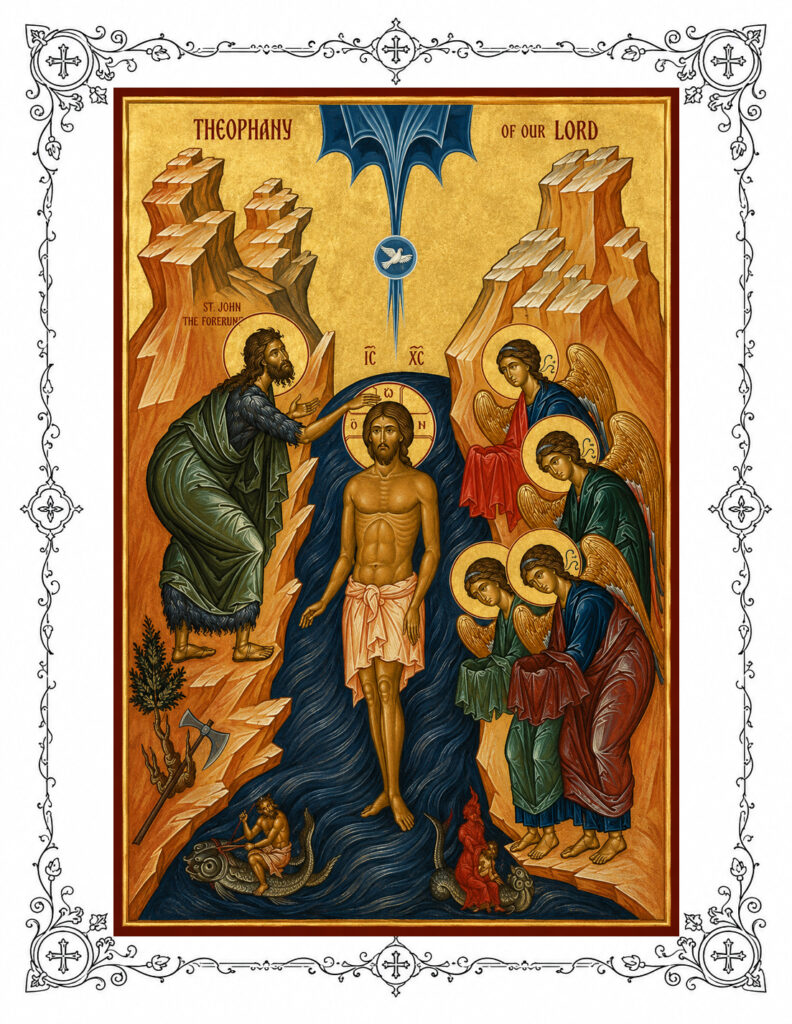
Typological Significance: The Orthodox tradition understands the Flood as a type of baptism, as Saint Peter explicitly teaches (1 Peter 3:20-21). Those outside the ark who lost the breath of life prefigure those who refuse the saving waters of baptism and remain in spiritual death. Conversely, Noah and his family, preserved through water, prefigure the Church—those who pass through baptismal waters into new life. The breath that was lost in judgment is restored in Christ, who breathed upon His apostles saying “Receive the Holy Spirit” (John 20:22), using the same imagery of divine breath bringing life.

Liturgical Connections: The Flood narrative is read during the Vesperal Liturgy of Holy Saturday, where the Church contemplates Christ’s descent into Hades and the universal scope of salvation. The death described in Genesis 7:22 finds its answer in Christ’s harrowing of Hades, where He brings the breath of resurrection life to those long dead. The paschal troparion proclaims that Christ trampled down death by death, reversing the universal death portrayed in this verse.

Spiritual Application: For Orthodox spirituality, this verse serves as a call to vigilance. The Jesus Prayer and the entire hesychast tradition emphasize attention to breath as connected to prayer and spiritual awareness. The physical breath reminds us of our dependence on God for life itself. Those who perished had breath but lacked the spiritual life found only in communion with God. The Orthodox Christian is called to unite physical breath with the invocation of the Holy Name, transforming mere biological existence into genuine life in Christ, ensuring that when bodily breath ceases, the soul remains alive in God.

Introduction to the book of Leviticus

The Book of Leviticus receives its English title from the Latin Vulgate, which is derived from the Greek Septuagint (LXX) title Leuitikon (Λευιτικόν), meaning “Levitical” or “pertaining to the Levites.”

Read More »

Introduction to the book of Exodus

The Book of Exodus receives its English title from the Greek Septuagint (LXX), where it is called Exodos (Ἔξοδος), meaning “departure” or “exit.” This name was chosen because the central

Read More »