Introduction to the book of Leviticus
The Book of Leviticus receives its English title from the Latin Vulgate, which is derived from the Greek Septuagint (LXX) title Leuitikon (Λευιτικόν), meaning “Levitical” or “pertaining to the Levites.”
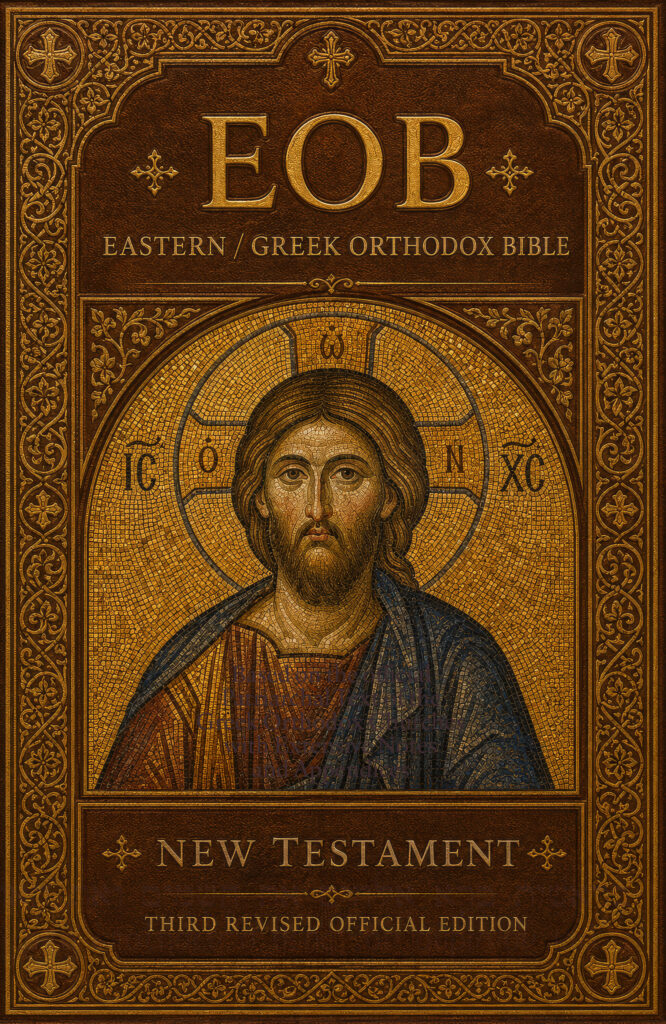
EOB: Official Site of the Eastern / Greek Orthodox Bible (Old and New Testament)
EOB (Eastern / Greek Orthodox Bible):
EOB Footnote:
KJV (King James Version):
WEB (World English Bible):
Benton LXX (Vaticanus):
Douai-Rheims (Vulgate):
Apostoliki Diakonia (LXX):
YLT (Young Literal Translation )(MT):
BBE (Bible in Basic English):
EOB Commentary:
Genesis 8:2 Commentary
The Cessation of Divine Judgment
This verse marks the pivotal moment when God restrains the waters of judgment, closing the fountains of the deep and the windows of heaven. The Fathers understood this not merely as a meteorological event but as a profound theological statement about divine mercy tempering divine justice.
Typological Significance for Christ and Baptism
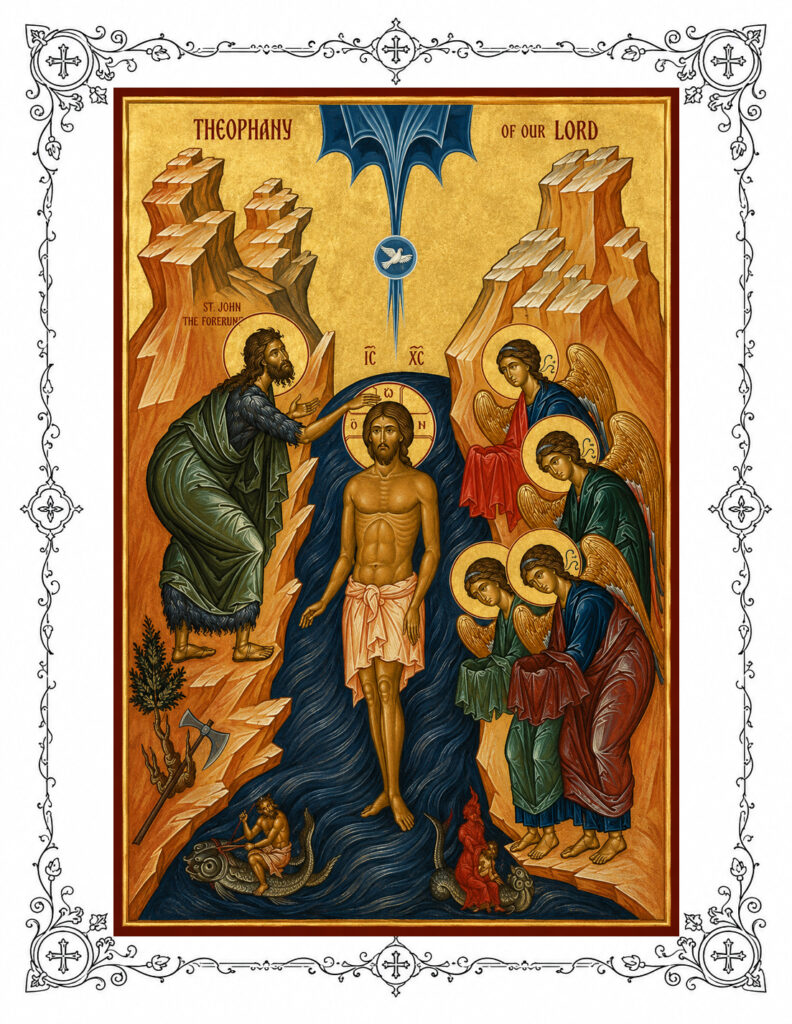
The closing of the heavenly windows and the restraining of the abyss prefigure the moment when Christ descends into the waters of the Jordan. Saint Cyril of Jerusalem and other Fathers taught that just as the waters of the flood were instruments of both judgment and salvation, so too the waters of baptism become the means by which the old Adam is drowned and the new creation emerges. The ark floating upon the restrained waters typifies the Church sailing safely through the waters of this world, protected by the wood of the Cross.
Saint Ephrem the Syrian observed that the fountains of the great deep being stopped corresponds to Christ’s authority over the chaotic waters, demonstrated when He calmed the sea and walked upon the waves. The One who closed the abyss in Noah’s day is the same Logos who commands the storms to cease.
Liturgical Connections
The Orthodox Church commemorates these events during the Great Blessing of Waters at Theophany. The prayers invoke the imagery of God’s mastery over the waters, connecting creation, the flood, the crossing of the Red Sea, and Christ’s baptism into one continuous narrative of salvation. The priest prays that the waters be sanctified, recalling how God transformed the destructive flood waters into instruments of purification and new beginning.
In the hymnography of Great Lent, particularly during the Canon of Saint Andrew of Crete, the faithful are called to contemplate the flood as an image of repentance. Just as God closed the fountains of judgment when the time of purification was complete, so He receives the penitent sinner who emerges from the waters of tears and confession.
Spiritual Application
The Fathers also read this verse as applicable to the interior life. The passions, like the uncontrolled waters, must be restrained by divine grace working through ascetic struggle. Saint John Climacus and the hesychast tradition speak of the nous descending into the heart, where the turbulent waters of disordered thoughts are stilled. The same God who stopped the primordial waters grants stillness (hesychia) to the soul that takes refuge in the ark of prayer and fasting.
The Book of Leviticus receives its English title from the Latin Vulgate, which is derived from the Greek Septuagint (LXX) title Leuitikon (Λευιτικόν), meaning “Levitical” or “pertaining to the Levites.”

The Book of Exodus receives its English title from the Greek Septuagint (LXX), where it is called Exodos (Ἔξοδος), meaning “departure” or “exit.” This name was chosen because the central

I. Date and Authorship Holy Tradition of the Orthodox Church, affirmed by the Fathers and the liturgical usage of the Church from the earliest centuries, attributes the Book of Genesis

Does Hebrews 11 on the Maccabees Show Stronger Alignment with 4 Maccabees than 2 Maccabees? Hebrews 11 (the famous “Hall of Faith” chapter) does not explicitly mention the Maccabees by