Commentary on Genesis 8:13
The Significance of the Date and Noah’s Action
This verse marks a pivotal moment in the flood narrative, recording that in the six hundred and first year of Noah’s life, on the first day of the first month, the waters had dried from the earth. Noah then removed the covering of the ark and observed that the surface of the ground was drying. The specificity of this date carries profound theological significance that the Church Fathers recognized as pointing beyond the immediate historical event.
Typological Connections to Christ and Baptism
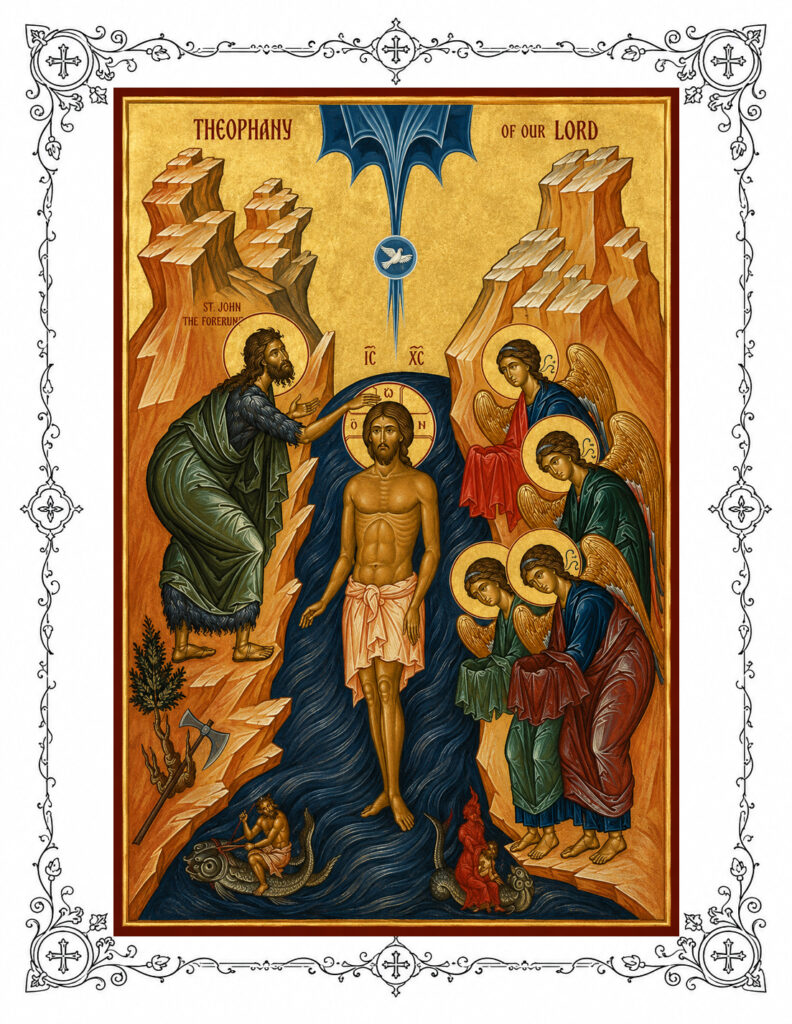
The first day of the first month represents a new beginning for creation, a theme that resonates deeply with the Christian understanding of redemption. Saint Cyril of Jerusalem and other Fathers saw in the flood narrative a prefiguration of baptism, and this particular moment of emergence corresponds to the resurrection of Christ, who rose on the first day of the week, inaugurating a new creation. Just as Noah looked out upon a world cleansed and renewed, so the baptized Christian emerges from the waters to behold the new life in Christ.
The removal of the ark’s covering (mikseh in Hebrew) symbolizes the unveiling of mystery. Noah’s act of uncovering anticipates the moment when the veil of the temple was torn and the mysteries of salvation were revealed through Christ’s death and resurrection. The Church understands this unveiling as prophetic of the apocalypsis, the revelation that comes through Christ.
Liturgical Resonance
In Orthodox liturgical tradition, the readings from Genesis during Great Lent include the flood narrative, preparing catechumens for baptism at Pascha. The imagery of Noah emerging to see dry ground connects to the Paschal themes of passage from death to life, from the old creation to the new. The ark itself, as the Fathers consistently taught, prefigures the Church, the vessel of salvation through which believers pass safely through the waters of judgment into the renewed world.
Spiritual Application
Saint John Chrysostom noted that Noah’s patience throughout the flood demonstrates the virtue of long-suffering that Christians must cultivate. After enduring the flood for over a year, Noah does not rush out impetuously but waits, removes the covering, and observes. This measured response models the spiritual discernment required of believers who must learn to read the signs of God’s providence and act in accordance with divine timing rather than human impatience.
The drying of the waters also speaks to the gradual nature of spiritual transformation. Sanctification, like the receding of the flood, occurs progressively as the Christian cooperates with divine grace.