Genesis 9:1 Commentary
The Divine Blessing Renewed
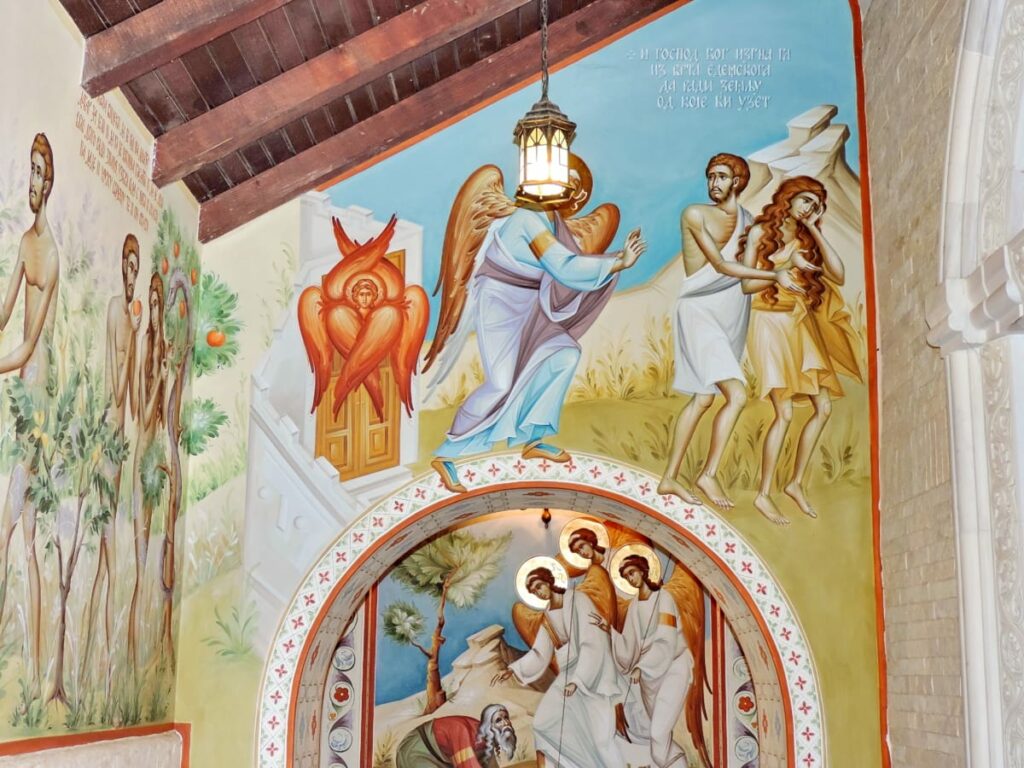
This verse marks a pivotal moment in salvation history, as God renews the blessing originally given to Adam in Paradise. The command to “be fruitful and multiply and fill the earth” echoes Genesis 1:28, establishing Noah as a new Adam, a fresh beginning for humanity after the catastrophic judgment of the Flood. Yet this renewal comes with profound differences that the Fathers of the Church carefully noted.
Patristic Interpretation
Saint John Chrysostom observes that while the words appear similar to those spoken to Adam, the context reveals both God’s mercy and the altered state of creation. The blessing comes after judgment, demonstrating that God desires life rather than death, multiplication rather than extinction. Chrysostom emphasizes that God’s patience with humanity continues despite the corruption that necessitated the Flood.
Saint Ephrem the Syrian notes that Noah receives this blessing as he exits the ark, standing on purified earth. The ark itself becomes a type of the Church, and those who emerge from it represent the faithful who pass through the waters of baptism into new life.
Typological Significance for Christ and the Church
The Fathers consistently read Noah as a type of Christ. Just as Noah preserved humanity through wood and water, so Christ saves humanity through the wood of the Cross and the waters of baptism. The blessing given to Noah thus prefigures the Great Commission, where Christ commands His apostles to go forth and make disciples of all nations. The multiplication commanded here finds its spiritual fulfillment in the multiplication of believers throughout the world.
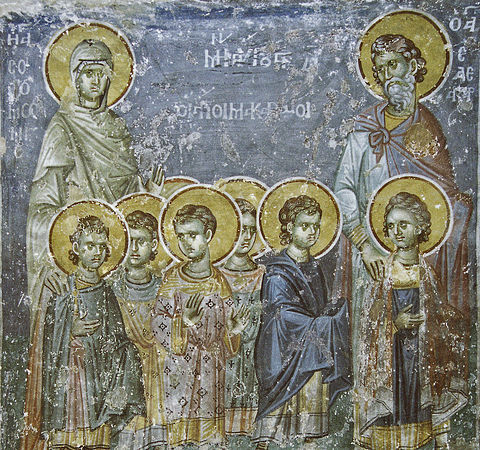
The phrase “God blessed Noah and his sons” carries ecclesial significance. The blessing extends not to Noah alone but to his household, anticipating the household baptisms recorded in Acts and the understanding that salvation encompasses families and communities, not merely isolated individuals.
Liturgical Connections
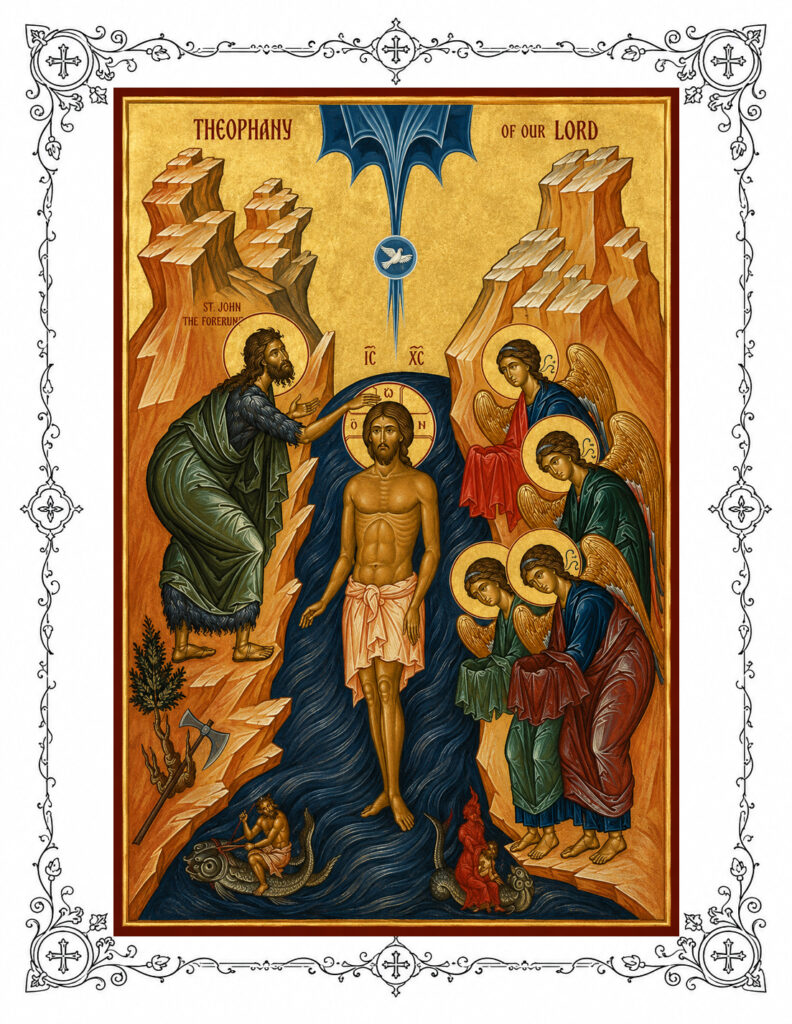
In the Orthodox baptismal rite, the waters are blessed and sanctified, recalling both the primordial waters of creation and the purifying waters of the Flood. The newly baptized emerges as Noah emerged—blessed, renewed, and commissioned to live fruitfully in God’s grace. The Flood narrative appears in the readings for Holy Saturday, connecting the salvation of Noah’s family to Christ’s harrowing of Hades and the resurrection life offered to all humanity.
Spiritual Application
For Orthodox spiritual life, this verse reminds us that God perpetually offers new beginnings. After every spiritual catastrophe, after every fall into sin, the Lord extends blessing and the possibility of fruitfulness. The command to multiply applies spiritually to the multiplication of virtues, good works, and the bringing forth of spiritual children through evangelism and teaching. We who have passed through baptismal waters live under this same blessing, called to fill the earth with the knowledge of the Lord.