Introduction to the book of Leviticus
The Book of Leviticus receives its English title from the Latin Vulgate, which is derived from the Greek Septuagint (LXX) title Leuitikon (Λευιτικόν), meaning “Levitical” or “pertaining to the Levites.”
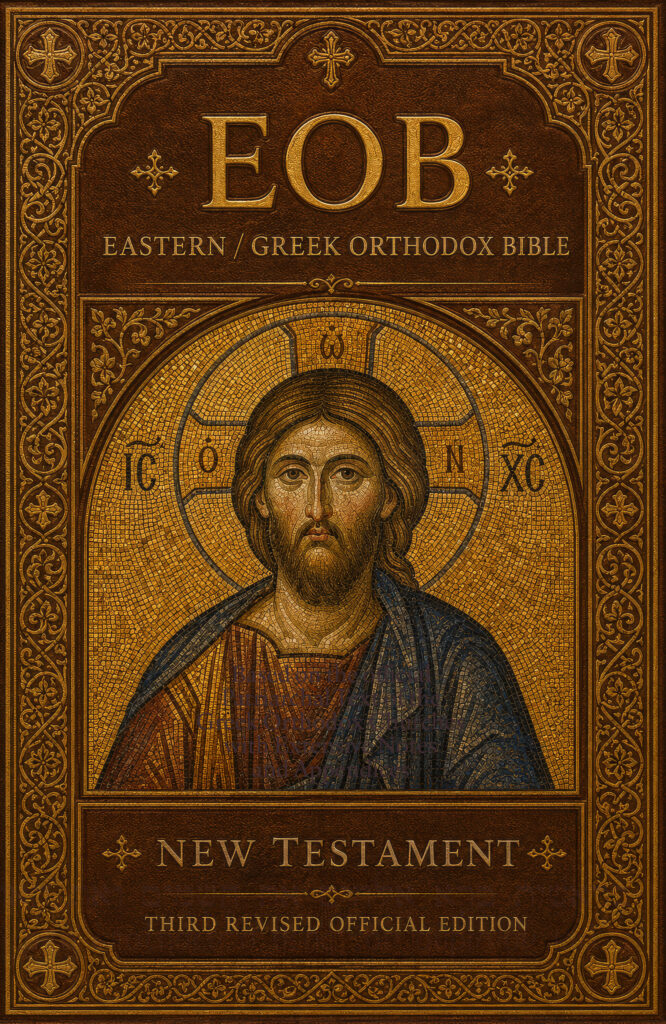
EOB: Official Site of the Eastern / Greek Orthodox Bible (Old and New Testament)
EOB (Eastern / Greek Orthodox Bible):
EOB Footnote:
KJV (King James Version):
WEB (World English Bible):
Benton LXX (Vaticanus):
Douai-Rheims (Vulgate):
Apostoliki Diakonia (LXX):
YLT (Young Literal Translation )(MT):
BBE (Bible in Basic English):
EOB Commentary:
Genesis 1:25 – Commentary
The Divine Craftsmanship and the Ordering of Creation
This verse presents the culmination of God’s creative work regarding land animals, emphasizing the deliberate categorization into three groups: wild beasts, cattle, and creeping things. The repeated phrase “according to their kind” (kata genos) underscores the wisdom and order inherent in God’s creative act, a theme deeply resonant with Orthodox theology’s understanding of divine providence and the logoi of creation.
Patristic Interpretation: Saint Basil the Great, in his Hexaemeron, reflects extensively on the variety and purpose of animals. He sees in their diversity a manifestation of God’s infinite wisdom and artistic power. Each creature, fashioned “according to its kind,” possesses its own logos or inner principle given by the Creator Logos. Saint Basil writes that even the smallest creatures reveal divine wisdom, teaching humility to those who would study creation. Saint John of Damascus similarly affirms that all creatures participate in existence through the creative Word, each bearing its appointed nature and purpose.
Christological Significance: The Church Fathers consistently read Genesis through the lens of John 1:3, understanding that “all things were made through Him.” The Logos who orders creation according to kinds is the same Word who becomes incarnate. Saint Athanasius emphasizes that the Word who gave being to all creatures is the same who enters creation to restore it. Thus, the careful ordering of animal life points forward to Christ, through whom all things hold together (Colossians 1:17).
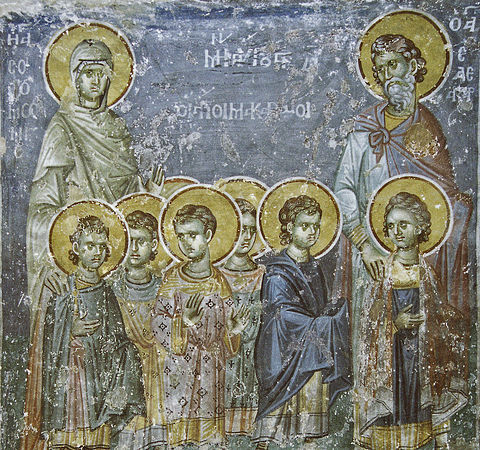
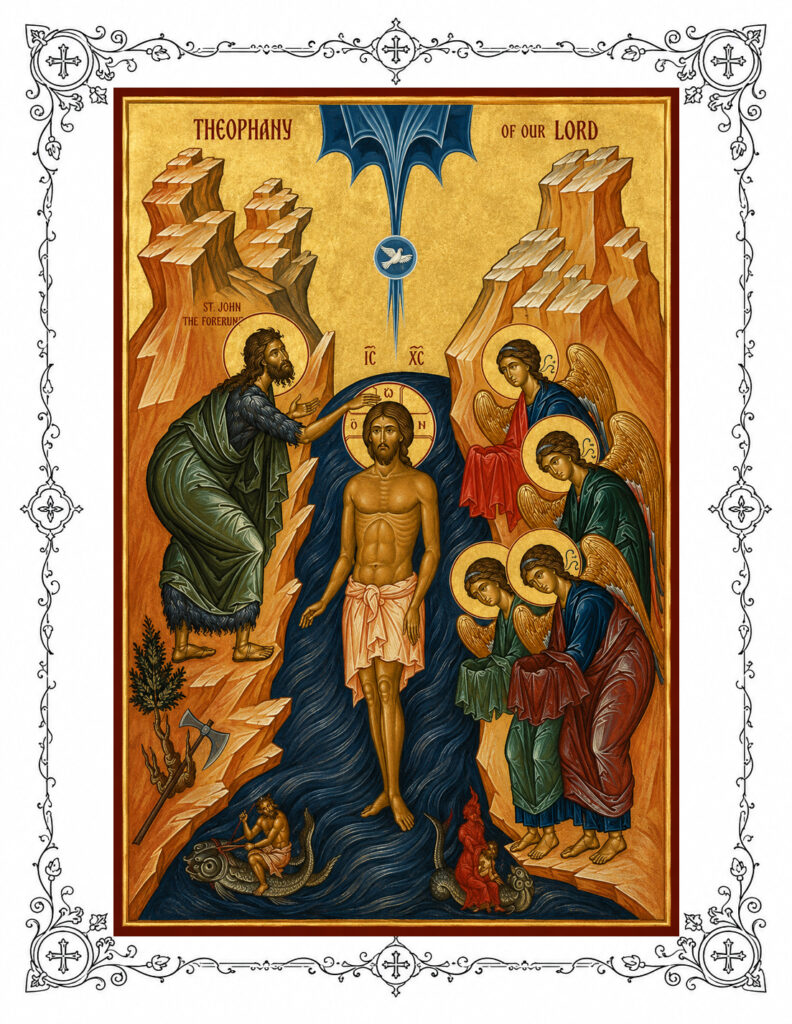
Liturgical Connections: The blessing of animals in Orthodox practice, particularly on the feast of Saints Florus and Laurus, reflects the Church’s recognition that all creatures belong to God and exist within His providential care. The prayers for livestock and working animals acknowledge the goodness declared in this verse. Additionally, the Great Blessing of Waters at Theophany includes petitions for all creation, recognizing that Christ’s baptism sanctifies not only humanity but the entire created order.
Spiritual Themes: The phrase “and God saw that it was good” (kai eiden ho Theos hoti kalon) carries profound significance. Creation possesses inherent goodness precisely because it comes from the Good God. This foundational affirmation stands against all forms of dualism that would denigrate the material world. Orthodox asceticism does not reject creation but rather seeks to perceive it rightly, as a gift pointing toward the Giver.
The ordering of animals “according to their kind” also speaks to the Orthodox understanding of natural law and the proper boundaries within creation. Each creature fulfills its purpose by living according to its God-given nature, offering a wordless doxology to the Creator through its very existence.
The Book of Leviticus receives its English title from the Latin Vulgate, which is derived from the Greek Septuagint (LXX) title Leuitikon (Λευιτικόν), meaning “Levitical” or “pertaining to the Levites.”

The Book of Exodus receives its English title from the Greek Septuagint (LXX), where it is called Exodos (Ἔξοδος), meaning “departure” or “exit.” This name was chosen because the central

I. Date and Authorship Holy Tradition of the Orthodox Church, affirmed by the Fathers and the liturgical usage of the Church from the earliest centuries, attributes the Book of Genesis

Does Hebrews 11 on the Maccabees Show Stronger Alignment with 4 Maccabees than 2 Maccabees? Hebrews 11 (the famous “Hall of Faith” chapter) does not explicitly mention the Maccabees by