Joktan and His Descendants
Genesis 10:26 introduces the thirteen sons of Joktan, beginning with Almodad. While this verse may appear to be merely genealogical record-keeping, the Orthodox tradition finds within such passages threads connecting to the broader tapestry of salvation history.
Joktan represents the Arabian branch of Shem’s descendants, and his sons are traditionally associated with various tribes of the Arabian Peninsula. The Church Fathers, while not extensively commenting on each individual name, understood these genealogies as demonstrating God’s providential ordering of all nations. St. Augustine notes that even those peoples seemingly distant from the covenant line were never outside God’s care and ultimate plan for universal redemption.
Theological Significance
The Table of Nations in Genesis 10 serves as a witness to the unity of humanity descended from Noah, and thus ultimately from Adam. This unity becomes profoundly important when we consider that Christ came to save not merely one nation but all peoples. The Joktanite tribes, dwelling in distant Arabia, were nonetheless included in the divine economy from the beginning.
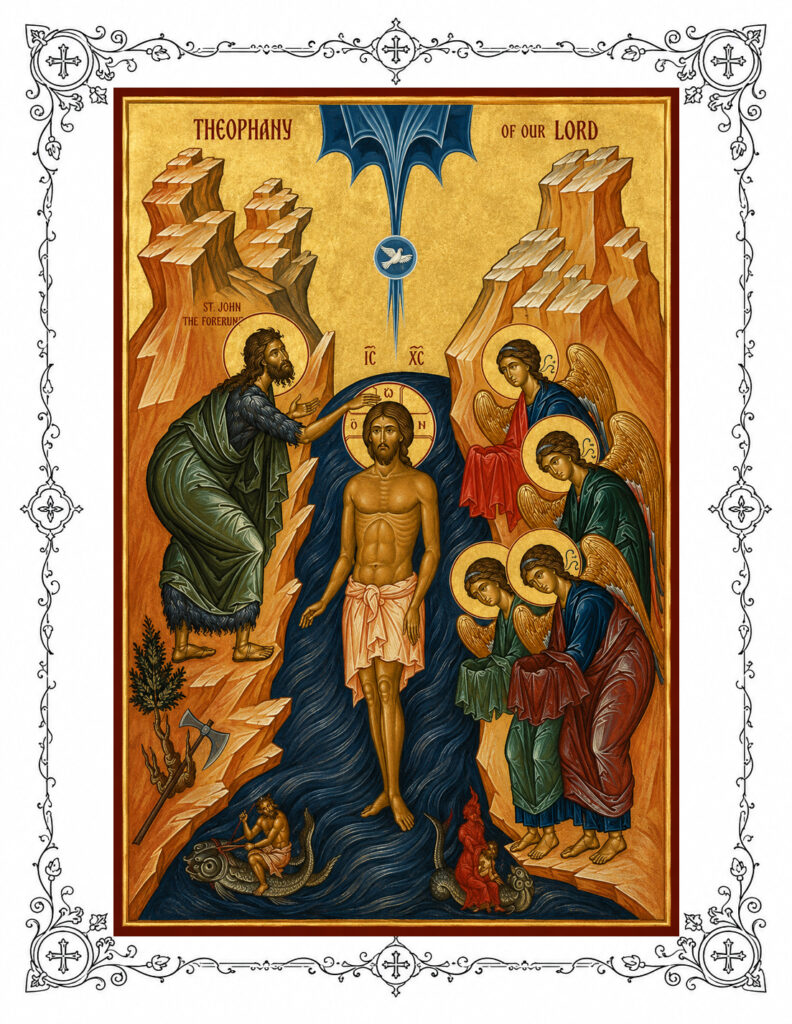
The Orthodox liturgical tradition reflects this universal scope of salvation. During the Great Blessing of Waters at Theophany, the Church prays for the sanctification of waters throughout the entire world, reaching every nation descended from Noah’s sons. The genealogies remind us that no corner of the earth lies beyond the reach of divine grace.
Patristic Reflection
St. Ephrem the Syrian, in his Commentary on Genesis, treats these genealogies as evidence of Scripture’s historical reliability and God’s meticulous attention to human history. Every name recorded represents real persons known to God, ancestors of peoples who would eventually hear the Gospel proclaimed.
Connection to Christ
The mention of Arabian peoples in Christ’s genealogical background gains significance when we recall the Magi who came from the East to worship the newborn King. While not directly Joktanite, these wise men represent the fulfillment of the promise that all nations would come to worship the true God. The Queen of Sheba, traditionally associated with Arabian territories connected to Joktan’s descendants, is invoked by Christ Himself as one who sought wisdom and would rise in judgment against those who rejected the greater wisdom standing before them.
Spiritual Application
For Orthodox Christians, these genealogies invite humility. We are reminded that our own ancestors, wherever they dwelt, were preserved by God’s providence through the ages until the fullness of time when Christ appeared. The seemingly obscure names of Joktan’s sons testify that God forgets no one and that His salvific will encompasses every tribe and tongue, preparing all peoples across generations for the revelation of His Son.