The Sons of Cush: Seba, Havilah, Sabtah, Raamah, and Sabteca
This verse continues the genealogical record of Noah’s descendants through Ham, specifically detailing the sons of Cush. While at first glance this may appear to be merely an ethnographic catalogue, the Church Fathers and Orthodox tradition find deeper spiritual significance within these genealogies.
Geographical and Historical Context:
The names listed here correspond to peoples and regions primarily associated with the Arabian Peninsula, the Horn of Africa, and surrounding territories. Seba is traditionally linked to the Sabean peoples of southern Arabia or Ethiopia. Havilah appears elsewhere in Genesis as a land rich in gold, bdellium, and onyx stone. These connections to wealth and distant lands become significant in later biblical narrative and typology.
Christological and Messianic Significance:
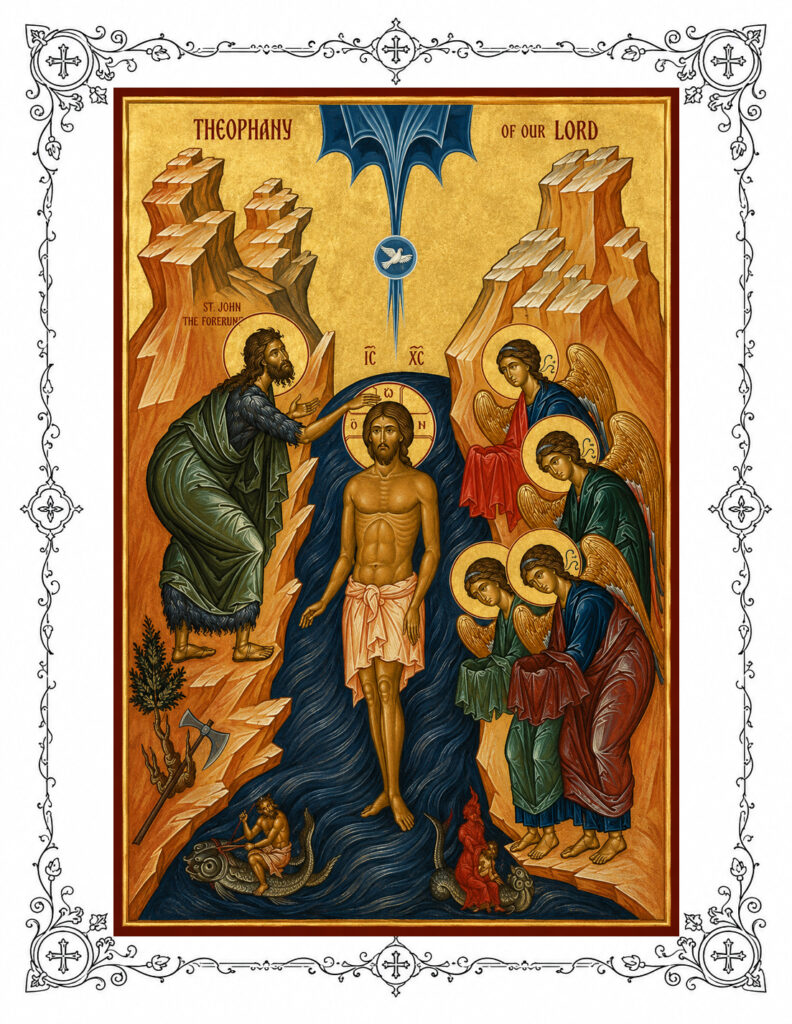
The mention of Seba holds particular importance for Orthodox interpretation. The Prophet Isaiah declares that the nations of Seba and Sheba shall come bearing gifts to the Lord (Isaiah 60:6). This prophecy finds its fulfillment in the visitation of the Magi to the Christ child, an event celebrated prominently in the Orthodox Feast of Theophany. The Church sees in these distant descendants of Ham a prefiguration of the Gentile nations who would come to worship the incarnate Word.
Patristic Interpretation:
Saint Augustine, in his City of God, notes that these genealogies demonstrate God’s providential ordering of human history, showing how all nations descend from a common origin and are thus called to a common salvation. The universality of the Table of Nations anticipates the universal scope of the Gospel proclaimed at Pentecost, when the Holy Spirit enabled the apostles to speak in the tongues of all nations.
Liturgical Connections:
During the Royal Hours of Theophany, the Church reads prophetic texts concerning the nations bringing tribute to the Messiah. The descendants of Cush, dwelling in distant lands, represent the furthest reaches of humanity that Christ came to save. The troparion of Theophany proclaims that in Christ’s baptism, the entire cosmos is sanctified, including all peoples descended from Noah’s sons.
Spiritual Application:
For Orthodox spirituality, this verse reminds us that no people or nation stands outside God’s redemptive plan. The careful recording of these names demonstrates that each branch of humanity is known to God and precious in His sight. Just as these sons of Cush spread throughout the earth, so the Church spreads the Gospel to every nation, fulfilling Christ’s command to make disciples of all peoples, baptizing them in the name of the Father, Son, and Holy Spirit.