The Sons of Cush and the Spread of Nations
This genealogical verse, listing the descendants of Cush through his sons Seba, Havilah, Sabtah, Raamah, and Sabtechah, along with Raamah’s sons Sheba and Dedan, may appear at first glance to be merely historical record-keeping. However, the Church Fathers and the Orthodox tradition find deeper spiritual significance even in such passages.
Patristic Interpretation: The Fathers understood the Table of Nations in Genesis 10 as demonstrating God’s providential ordering of humanity after the Flood. St. Augustine, whose writings were received in the East, noted that these genealogies establish the unity of the human race descended from Noah, preparing the way for the universal scope of salvation. The spreading of nations across the earth foreshadows the eventual gathering of all peoples into the Church.
Christological and Ecclesiological Significance: The mention of Sheba is particularly noteworthy, as this region becomes associated in Scripture with the Queen of Sheba who visited Solomon, seeking wisdom. Our Lord Himself references this queen in Matthew 12:42, declaring that “something greater than Solomon is here.” The Fathers saw in her journey a type of the Gentile nations coming to Christ, the true Wisdom of God. Thus, even in this ancient genealogy, we glimpse the seeds of the universal mission of the Gospel.
The regions mentioned—traditionally associated with areas of Africa and Arabia—represent peoples who would eventually receive the Christian faith. Ethiopia, connected to Cush, holds special significance in Orthodox history, being among the earliest nations to embrace Christianity. The Ethiopian eunuch baptized by Philip the Deacon (Acts 8) represents the fulfillment of what is planted here in Genesis: the descendants of Cush entering the covenant of grace.
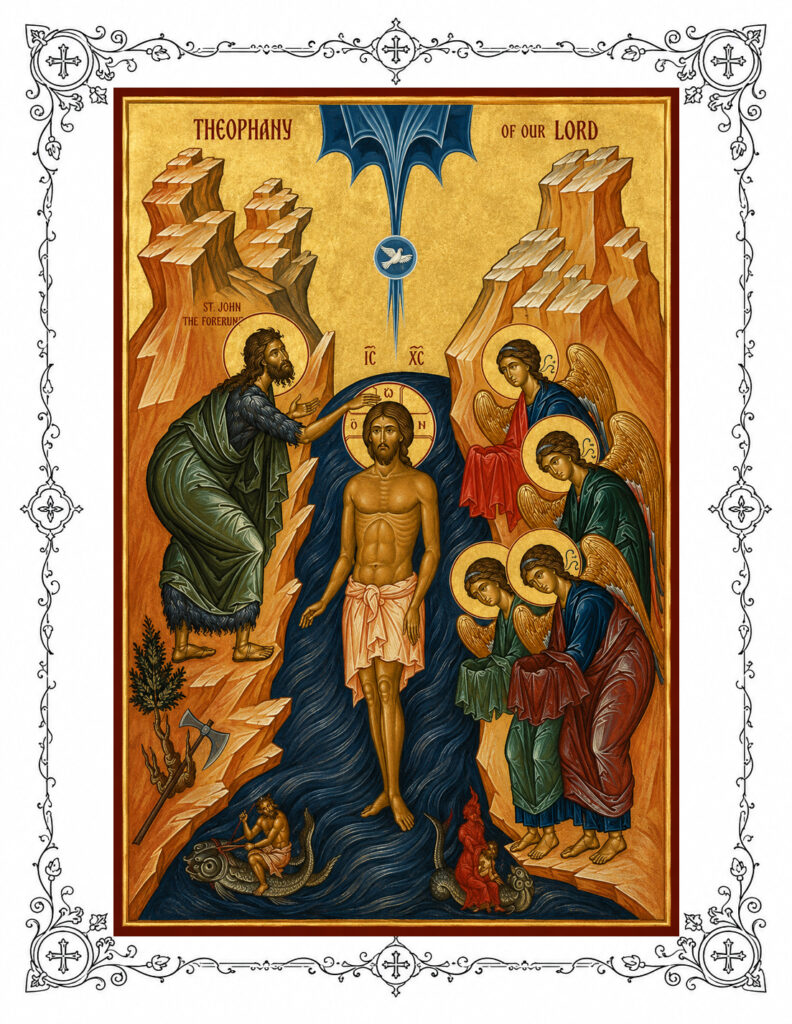
Liturgical Connection: In the Orthodox celebration of Theophany, the Church sings of all nations coming to worship Christ. The prophecy of Psalm 71 (72 in Western numbering), which mentions Sheba bringing gifts, is understood as fulfilled in the Magi and, more broadly, in the ingathering of all peoples to the incarnate Lord. The genealogies of Genesis thus serve as the historical foundation for the Church’s universal vision.
Spiritual Application: For Orthodox Christians, this passage reminds us that God’s salvific plan encompasses all humanity from the beginning. No nation or people exists outside His providential care. The careful recording of these names affirms the dignity of every human lineage and anticipates the day when people “from every nation, tribe, and tongue” will stand before the Lamb.