Introduction to the book of Leviticus
The Book of Leviticus receives its English title from the Latin Vulgate, which is derived from the Greek Septuagint (LXX) title Leuitikon (Λευιτικόν), meaning “Levitical” or “pertaining to the Levites.”
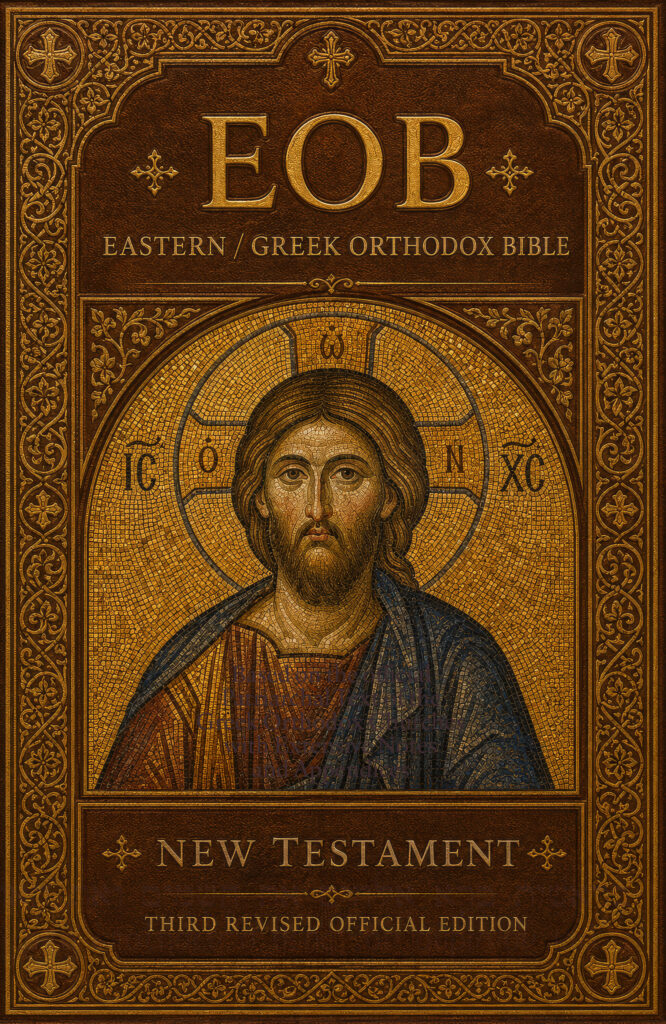
EOB: Official Site of the Eastern / Greek Orthodox Bible (Old and New Testament)
EOB (Eastern / Greek Orthodox Bible):
EOB Footnote:
KJV (King James Version):
WEB (World English Bible):
Benton LXX (Vaticanus):
Douai-Rheims (Vulgate):
Apostoliki Diakonia (LXX):
YLT (Young Literal Translation )(MT):
BBE (Bible in Basic English):
EOB Commentary:
Commentary on Genesis 2:13
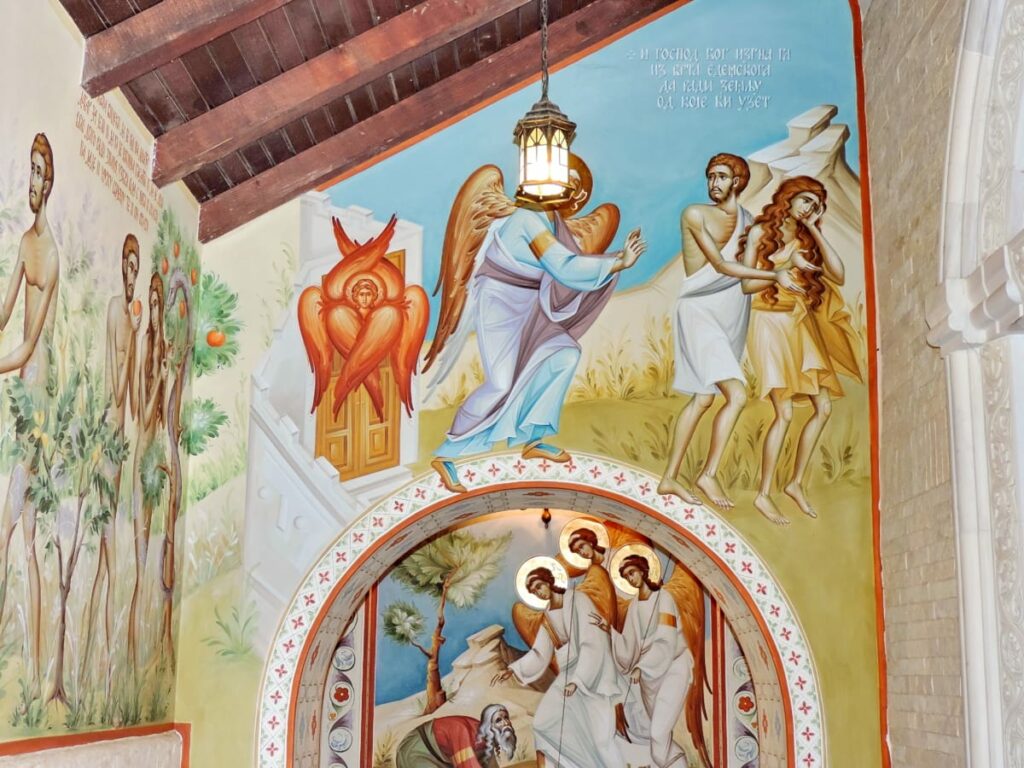
The River Gihon and Its Spiritual Significance
The second river of Paradise, Gihon, which encompasses the land of Cush, carries profound typological meaning within Orthodox tradition. While the geographical identification of this river remains debated among scholars, the spiritual interpretation has occupied a more central place in patristic and liturgical reflection.
Patristic Interpretation:
Saint Ambrose of Milan understood the four rivers of Paradise as representing the four cardinal virtues flowing from Christ, the true source of living water. The name Gihon, meaning “bursting forth” or “gushing,” was seen by several Fathers as prefiguring the abundant grace that would flow from the wounded side of Christ on the Cross. Saint Ephrem the Syrian similarly contemplated these rivers as symbols of the Gospel spreading to the four corners of the earth, with each river representing the life-giving teaching of Christ reaching different nations.
Christological and Baptismal Connections:
The Orthodox Church sees in all the waters of Genesis a foreshadowing of baptismal grace. Just as the rivers of Eden watered the garden and gave life to all creation, so the waters of baptism, sanctified by Christ’s descent into the Jordan, bring spiritual life to the faithful. The Gihon specifically connects to the pool of Siloam in Jerusalem, which was fed by the Gihon spring. This connection becomes significant when we recall that Christ sent the blind man to wash in Siloam and receive his sight, linking the ancient river of Paradise to the healing and illuminating work of the Savior.
Liturgical Resonance:
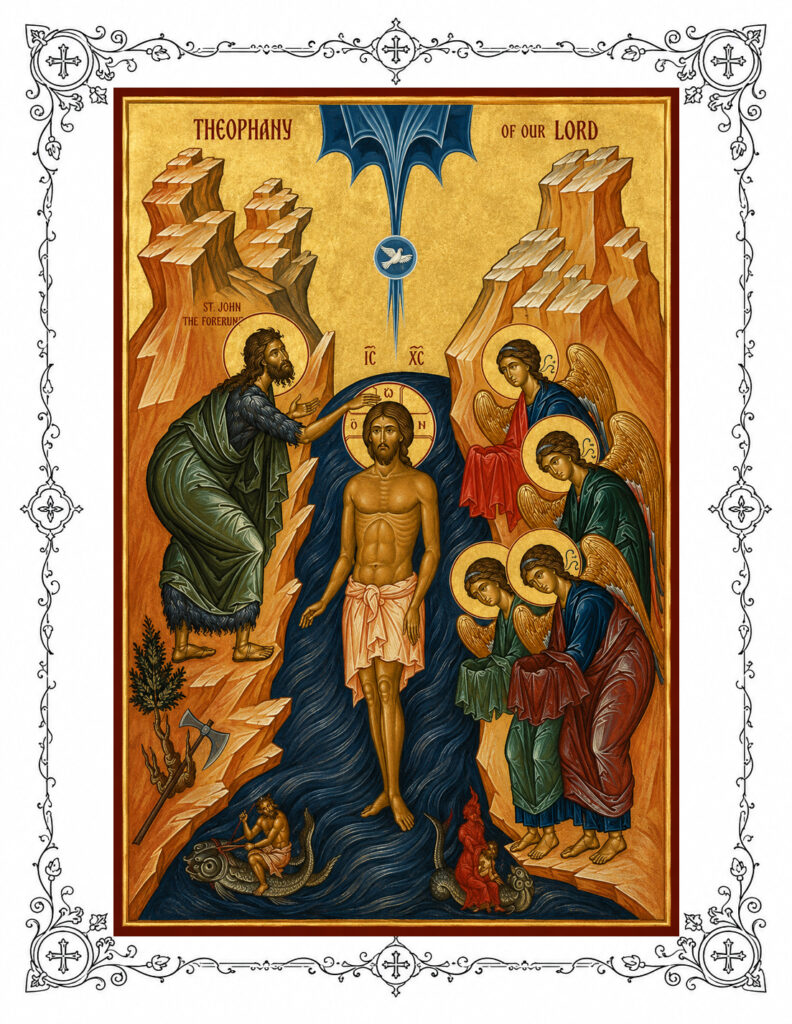
During the Great Blessing of Waters at Theophany, the Church invokes the memory of Paradise and its rivers. The prayers recall how God established the waters from the beginning for the blessing of creation. The faithful understand that in blessing the waters, Christ restores creation to its paradisiacal state, making every sanctified water a participation in the rivers that once flowed from Eden.
Spiritual Application:
For Orthodox spirituality, the rivers of Paradise represent the continuous flow of divine grace available to those who dwell in communion with God. The Gihon, bursting forth with abundance, reminds the faithful that God’s mercy is inexhaustible. Saint Gregory of Nyssa taught that the soul progressing in virtue drinks ever more deeply from these spiritual rivers, yet never exhausts their depths. This understanding encourages believers to approach the sacramental life of the Church with confidence, knowing that the grace flowing from Christ surpasses even the abundance of Eden’s rivers.
The Book of Leviticus receives its English title from the Latin Vulgate, which is derived from the Greek Septuagint (LXX) title Leuitikon (Λευιτικόν), meaning “Levitical” or “pertaining to the Levites.”

The Book of Exodus receives its English title from the Greek Septuagint (LXX), where it is called Exodos (Ἔξοδος), meaning “departure” or “exit.” This name was chosen because the central

I. Date and Authorship Holy Tradition of the Orthodox Church, affirmed by the Fathers and the liturgical usage of the Church from the earliest centuries, attributes the Book of Genesis

Does Hebrews 11 on the Maccabees Show Stronger Alignment with 4 Maccabees than 2 Maccabees? Hebrews 11 (the famous “Hall of Faith” chapter) does not explicitly mention the Maccabees by