The Third and Fourth Rivers: Hiddekel and Euphrates
Genesis 2:14 completes the description of the four rivers flowing from Eden, naming the Hiddekel (Tigris) as flowing east of Assyria, and the fourth river as the Euphrates. While this verse primarily serves a geographical function in the narrative, the Fathers of the Church discerned spiritual meanings within this fourfold division of waters.
Patristic Interpretation: Saint Ambrose of Milan, following the allegorical tradition, understood the four rivers as representing the four cardinal virtues: prudence, temperance, fortitude, and justice. The Hiddekel, being swift and rapid in its course, was associated with temperance, which swiftly overcomes the passions. The Euphrates, whose name suggests fruitfulness or abundance, was connected to justice, which renders to each their due and produces abundant spiritual fruit.
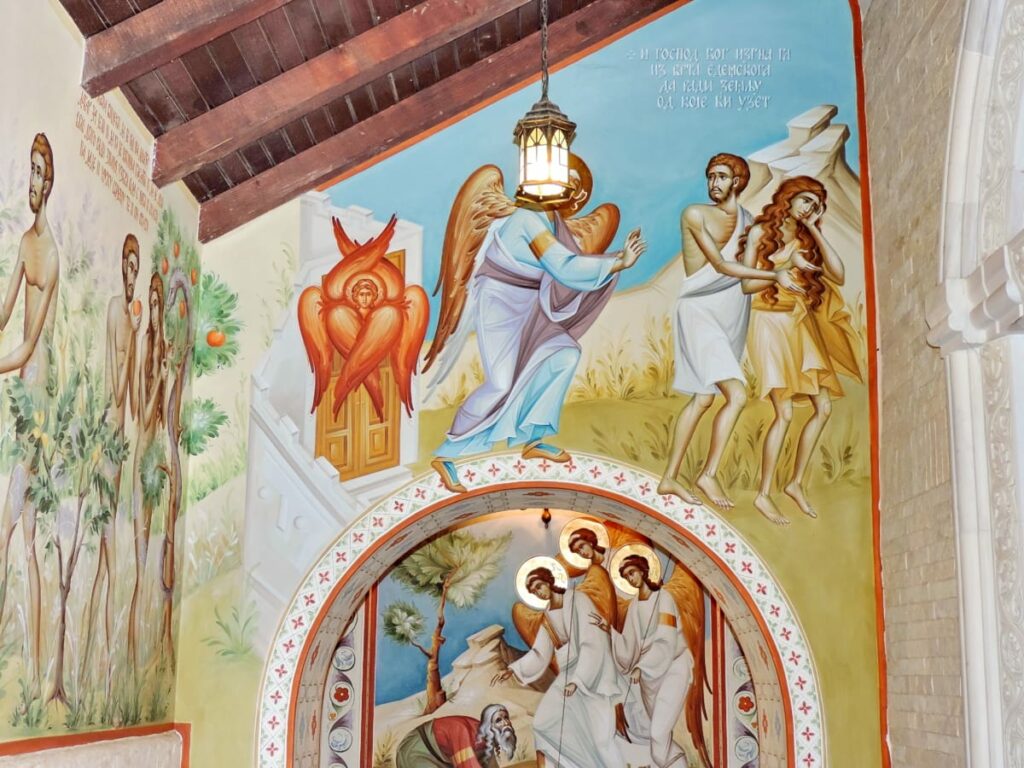
Saint Ephrem the Syrian, writing from the very region where these rivers flow, maintained a more literal reading while acknowledging the mysterious nature of Paradise. He noted that while we can identify these rivers in our fallen world, their paradisiacal source remains hidden from human sight, veiled by the cherubim who guard the way to the Tree of Life.
Christological and Ecclesiological Significance: The Church Fathers saw in the four rivers an image of the four Gospels flowing from Christ, the true Paradise and source of living water. Just as these rivers watered the ancient world, so the fourfold Gospel waters the entire earth with the knowledge of salvation. The Euphrates, being the greatest and most renowned of these rivers, was sometimes associated with the Gospel of John, which plumbs the deepest theological depths.
The mention of Assyria (Asshur) in connection with the Tigris carries prophetic weight, as Assyria would later become an instrument of divine judgment against Israel. Yet even this land of future exile was originally watered by the rivers of Paradise, suggesting that no nation lies beyond the reach of God’s original blessing or ultimate redemption.
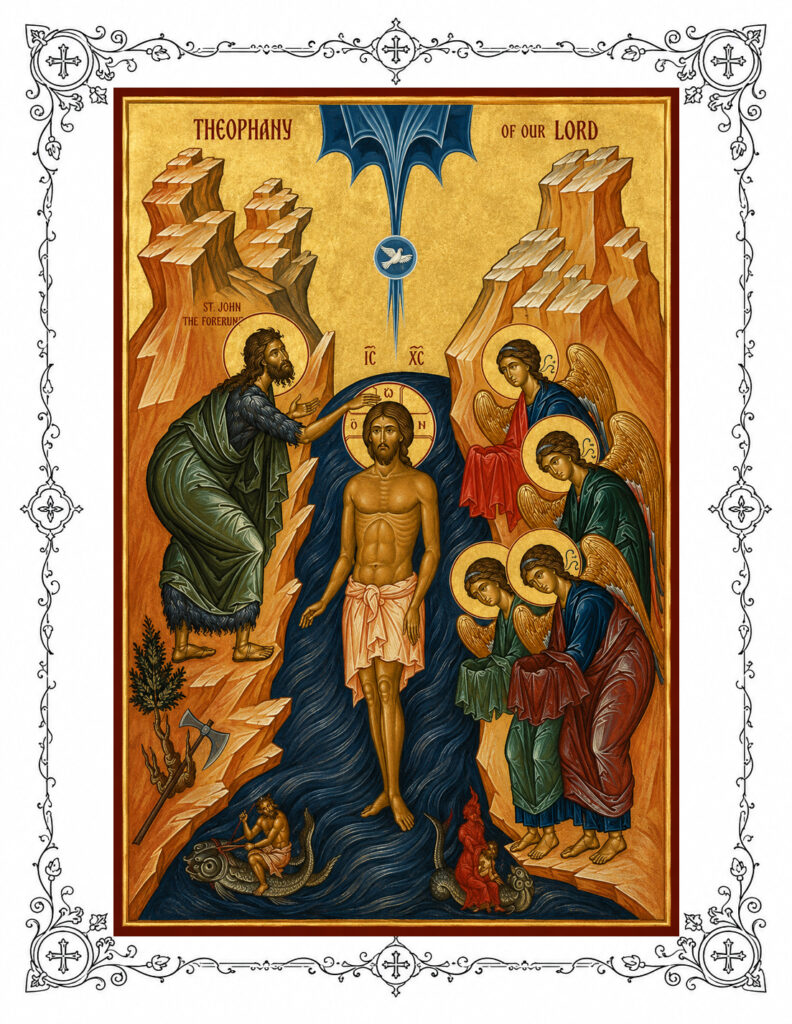
Liturgical Connections: The blessing of waters at Theophany recalls the sanctification of all creation’s waters. The prayers speak of the Jordan receiving Christ, but implicitly all rivers, including these ancient streams of Eden, participate in the cosmic renewal accomplished through the Lord’s baptism. The waters that once flowed from Paradise now flow toward the restoration of all things in Christ, the Second Adam who reopens Paradise to humanity.
The geographical specificity of this verse reminds us that salvation history unfolds in real places, preparing for the Incarnation when the eternal Word would enter human geography in the flesh.