Introduction to the book of Leviticus
The Book of Leviticus receives its English title from the Latin Vulgate, which is derived from the Greek Septuagint (LXX) title Leuitikon (Λευιτικόν), meaning “Levitical” or “pertaining to the Levites.”
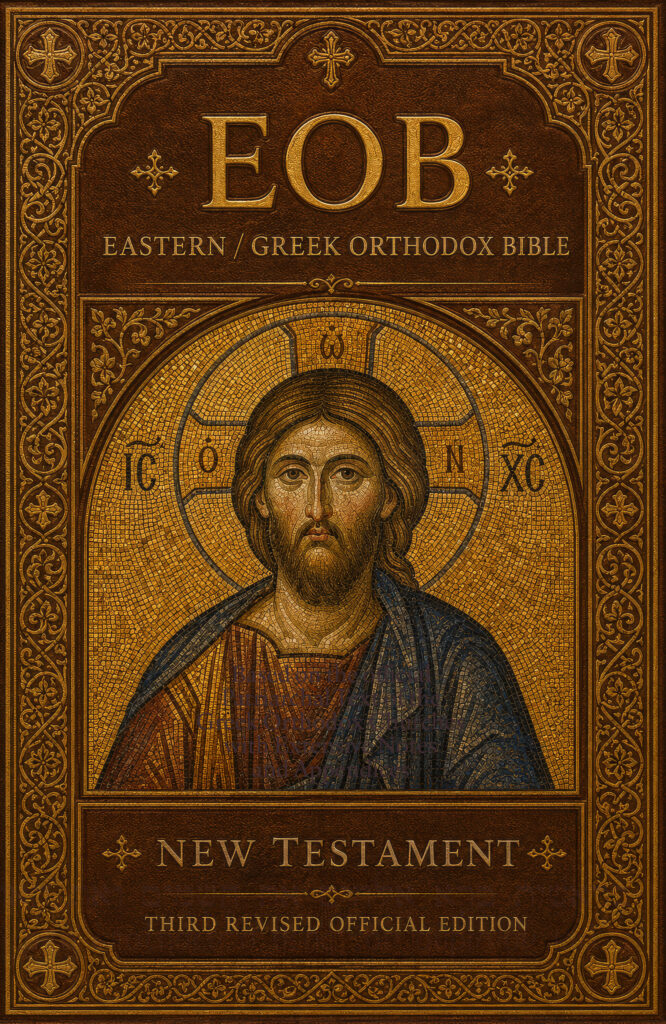
EOB: Official Site of the Eastern / Greek Orthodox Bible (Old and New Testament)
EOB (Eastern / Greek Orthodox Bible):
EOB Footnote:
KJV (King James Version):
WEB (World English Bible):
Benton LXX (Vaticanus):
Douai-Rheims (Vulgate):
Apostoliki Diakonia (LXX):
YLT (Young Literal Translation )(MT):
BBE (Bible in Basic English):
EOB Commentary:
THE BOOK OF GENERATIONS
This verse marks a significant transition in Genesis, introducing what many scholars consider a new toledot (generations) section. The phrase “This is the book of the generations of Adam” carries profound theological weight that resonates throughout Scripture and into the New Testament.
Christological Significance
The deliberate echo of this phrase in Matthew 1:1—”The book of the generation of Jesus Christ”—creates a theological bridge spanning the entire biblical narrative. Saint Matthew intentionally mirrors the Genesis language to present Christ as the New Adam, the one who initiates a new humanity. Where the first book of generations traces the lineage of fallen humanity moving toward death, Matthew’s book of generations reveals the lineage leading to Him who conquers death. The Apostle Paul develops this Adam-Christ typology extensively, declaring that “as in Adam all die, even so in Christ shall all be made alive” (1 Corinthians 15:22).
The Image Restored
The verse’s reminder that God created man “in the likeness of God” points forward to the restoration of that image in Christ. Saint Irenaeus of Lyon taught that what was lost in Adam is recovered and perfected in Christ, who is Himself the perfect Image of the Father. The Incarnation thus becomes the renewal of the original creation, with humanity called to grow from image into likeness through theosis.
Liturgical Connections
This passage finds resonance in the Orthodox funeral service, which speaks of humanity created in God’s image yet subject to death through the fall. The contrast between Adam’s generations—all ending in death—and the new generation born through baptism into Christ illuminates the paschal character of Christian existence. The Paschal troparion itself celebrates Christ’s victory: “trampling down death by death, and upon those in the tombs bestowing life.”
Patristic Reflection
Saint John Chrysostom notes that the careful genealogical record demonstrates God’s providential care for humanity even after the fall, preserving the line through which salvation would come. Saint Ephrem the Syrian sees in these genealogies the patience of God working through generations toward the fullness of time.
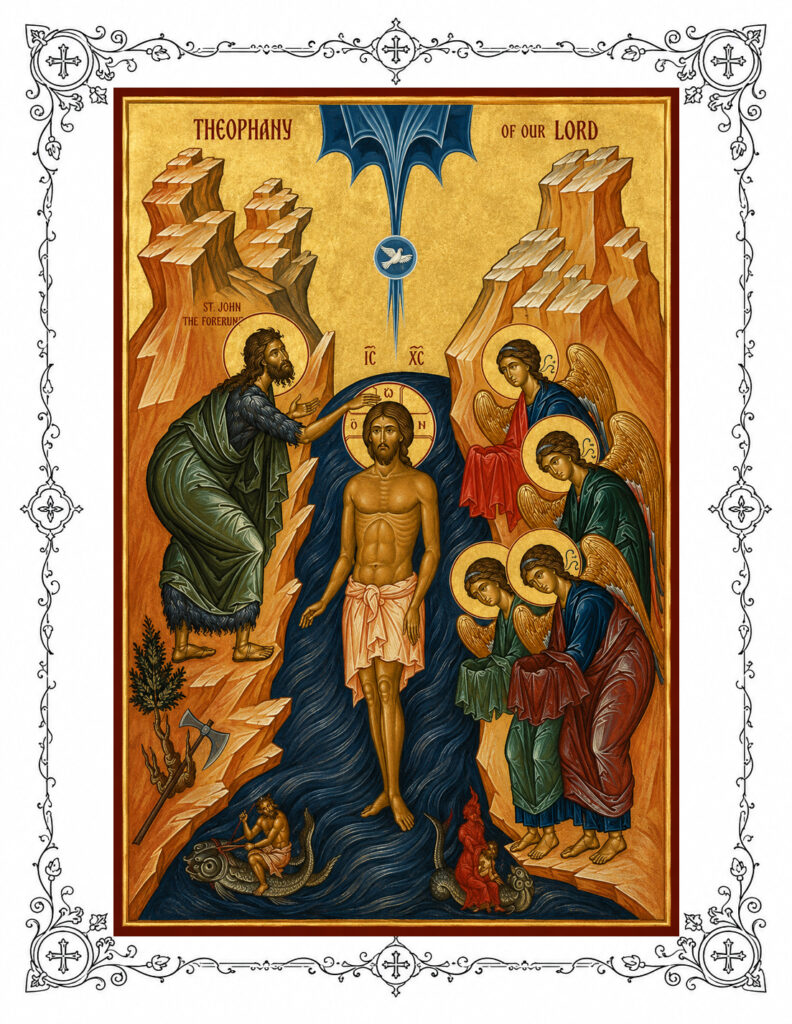
The verse thus stands as a hinge point—looking back to creation’s original glory and forward to its restoration in Christ, the last Adam, who writes His own book of generations through the waters of baptism.
The Book of Leviticus receives its English title from the Latin Vulgate, which is derived from the Greek Septuagint (LXX) title Leuitikon (Λευιτικόν), meaning “Levitical” or “pertaining to the Levites.”

The Book of Exodus receives its English title from the Greek Septuagint (LXX), where it is called Exodos (Ἔξοδος), meaning “departure” or “exit.” This name was chosen because the central

I. Date and Authorship Holy Tradition of the Orthodox Church, affirmed by the Fathers and the liturgical usage of the Church from the earliest centuries, attributes the Book of Genesis

Does Hebrews 11 on the Maccabees Show Stronger Alignment with 4 Maccabees than 2 Maccabees? Hebrews 11 (the famous “Hall of Faith” chapter) does not explicitly mention the Maccabees by