Introduction to the book of Leviticus
The Book of Leviticus receives its English title from the Latin Vulgate, which is derived from the Greek Septuagint (LXX) title Leuitikon (Λευιτικόν), meaning “Levitical” or “pertaining to the Levites.”
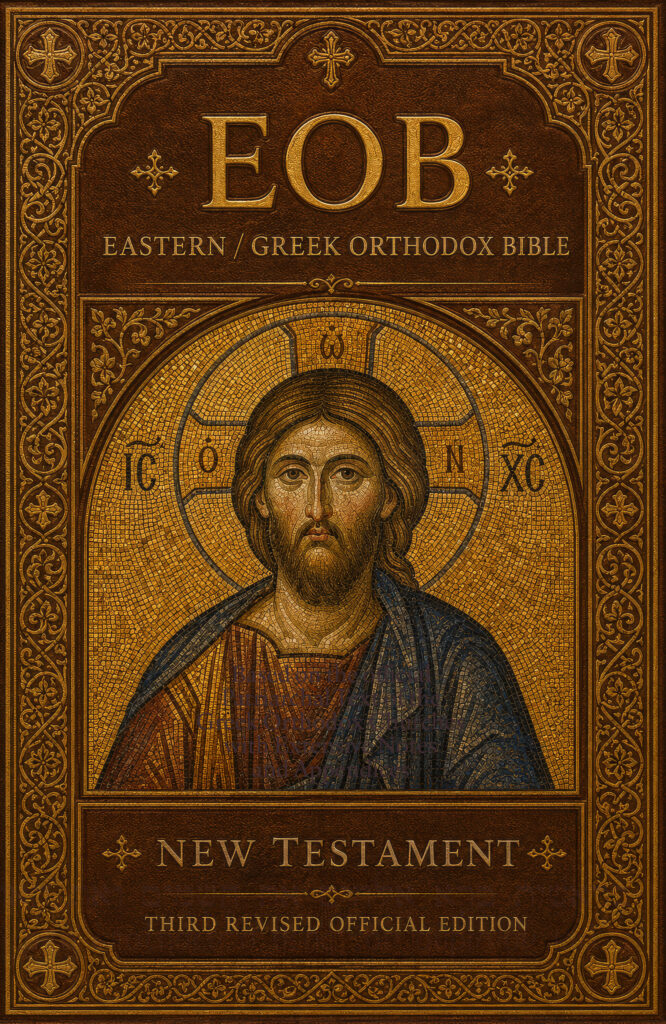
EOB: Official Site of the Eastern / Greek Orthodox Bible (Old and New Testament)
EOB (Eastern / Greek Orthodox Bible):
EOB Footnote:
KJV (King James Version):
WEB (World English Bible):
Benton LXX (Vaticanus):
Douai-Rheims (Vulgate):
Apostoliki Diakonia (LXX):
YLT (Young Literal Translation )(MT):
BBE (Bible in Basic English):
EOB Commentary:
Genesis 6:1 – Commentary
The Multiplication of Humanity and the Prelude to Corruption
This verse marks a pivotal transition in the Genesis narrative, moving from the genealogies of the patriarchs to the account of humanity’s increasing wickedness that precipitates the Flood. The simple observation that “men began to multiply on the face of the earth” carries profound theological weight, as numerical increase becomes paradoxically linked with spiritual decline.
Patristic Interpretation: The Church Fathers understood this multiplication not merely as demographic growth but as the spreading of both Cainite and Sethite lineages across the earth. Saint John Chrysostom emphasizes that the increase of humanity should have led to greater glorification of God, yet instead it became an occasion for the proliferation of sin. The multiplication of bodies without corresponding growth in virtue represents a fundamental disorder in creation.
Christological Significance: The Orthodox tradition reads this passage typologically as prefiguring the state of humanity before the coming of Christ. Just as mankind multiplied yet fell into corruption requiring the cleansing waters of the Flood, so too did humanity multiply in sin until the coming of the Second Adam. The Flood becomes a type of Baptism, as Saint Peter explicitly teaches (1 Peter 3:20-21), and Noah’s ark prefigures the Church as the vessel of salvation. Christ Himself references this period when speaking of the days preceding His Second Coming (Matthew 24:37-39), drawing a direct parallel between the heedlessness of Noah’s generation and those who will be unprepared for the final judgment.
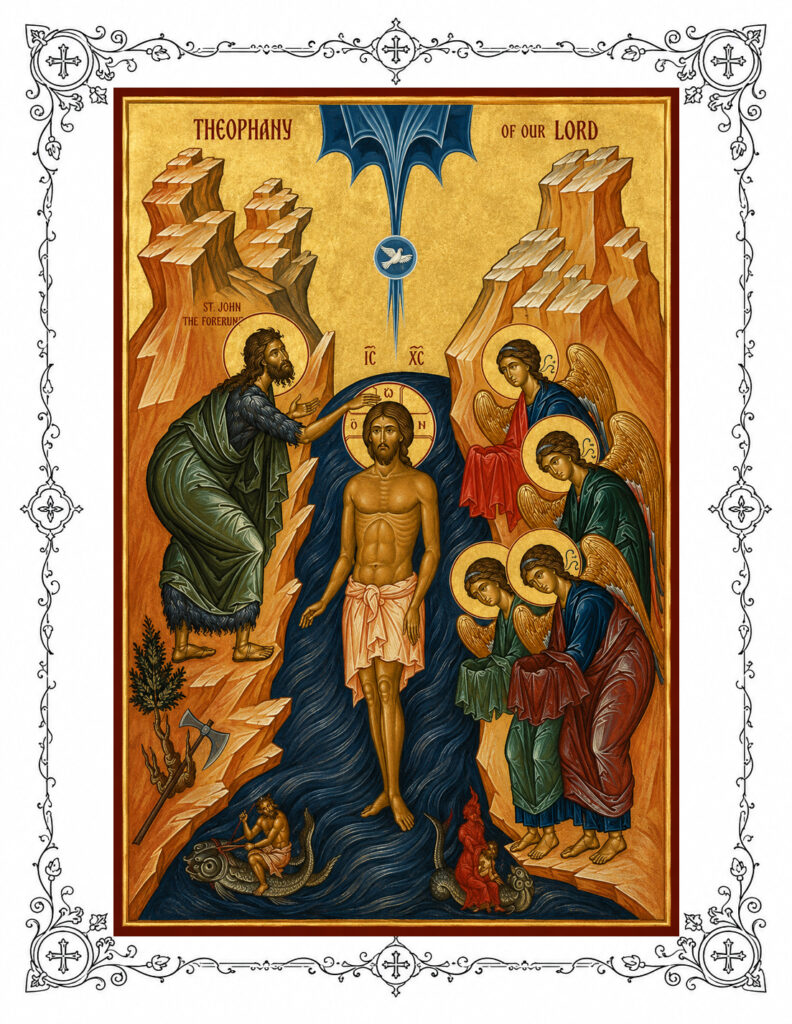
Liturgical Connections: The Orthodox Church employs Flood typology extensively in the blessing of waters at Theophany. The prayers recall how God purified the world through water and now sanctifies the waters through Christ’s baptism. The multiplication of humanity mentioned in this verse thus stands as the necessary background for understanding why divine intervention became necessary.
Spiritual Application: For Orthodox spirituality, this verse serves as a sobering reminder that growth and prosperity do not automatically produce holiness. The Fathers consistently warn that material abundance and population increase can become occasions for forgetting God. Saint Ephrem the Syrian notes that as humanity spread across the earth, they spread their passions with them, filling the land not with righteousness but with the works of the flesh. This teaching remains perpetually relevant for the Church, reminding the faithful that true fruitfulness is measured not in numbers but in conformity to the divine image.
The Book of Leviticus receives its English title from the Latin Vulgate, which is derived from the Greek Septuagint (LXX) title Leuitikon (Λευιτικόν), meaning “Levitical” or “pertaining to the Levites.”

The Book of Exodus receives its English title from the Greek Septuagint (LXX), where it is called Exodos (Ἔξοδος), meaning “departure” or “exit.” This name was chosen because the central

I. Date and Authorship Holy Tradition of the Orthodox Church, affirmed by the Fathers and the liturgical usage of the Church from the earliest centuries, attributes the Book of Genesis

Does Hebrews 11 on the Maccabees Show Stronger Alignment with 4 Maccabees than 2 Maccabees? Hebrews 11 (the famous “Hall of Faith” chapter) does not explicitly mention the Maccabees by