Introduction to the book of Leviticus
The Book of Leviticus receives its English title from the Latin Vulgate, which is derived from the Greek Septuagint (LXX) title Leuitikon (Λευιτικόν), meaning “Levitical” or “pertaining to the Levites.”
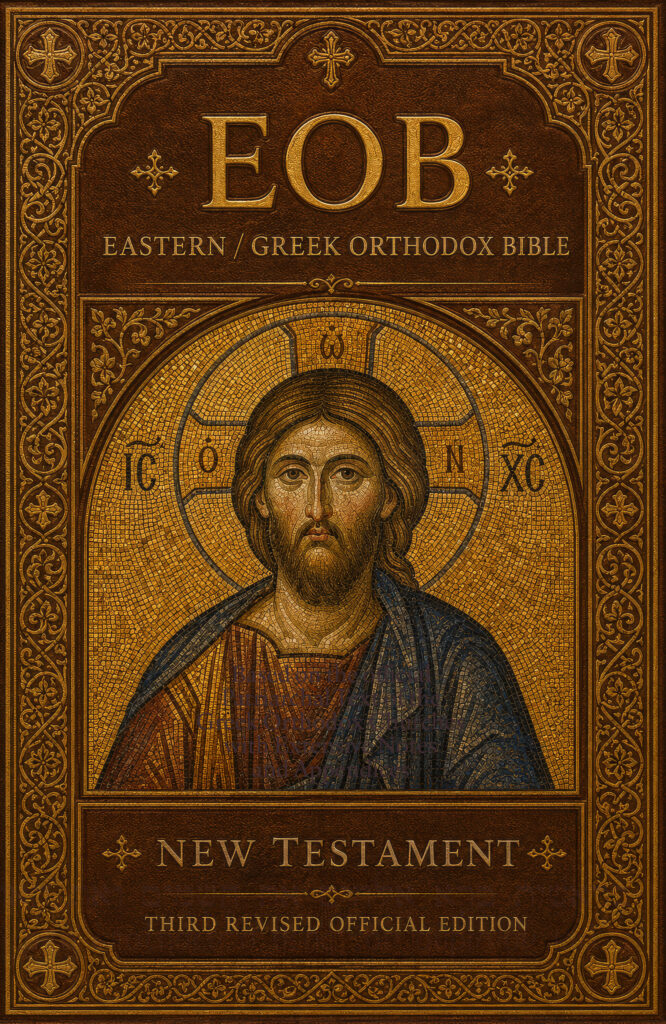
EOB: Official Site of the Eastern / Greek Orthodox Bible (Old and New Testament)
EOB (Eastern / Greek Orthodox Bible):
EOB Footnote:
KJV (King James Version):
WEB (World English Bible):
Benton LXX (Vaticanus):
Douai-Rheims (Vulgate):
Apostoliki Diakonia (LXX):
YLT (Young Literal Translation )(MT):
BBE (Bible in Basic English):
EOB Commentary:
Genesis 6:1 – Commentary
The Multiplication of Humanity and the Prelude to Corruption
This verse marks a pivotal transition in the Genesis narrative, moving from the genealogies of the patriarchs to the account of humanity’s moral decline preceding the Flood. The phrase “when men began to multiply on the face of the earth” signals not merely numerical increase but the spreading of human civilization—and with it, the spreading of sin inherited from Adam.
Patristic Interpretation: The Church Fathers understood this multiplication as bearing theological significance beyond mere demographics. Saint John Chrysostom notes that the increase of humanity was accompanied by an increase in wickedness, demonstrating that numerical growth without spiritual growth leads to corruption. The multiplication described here stands in contrast to the blessed fruitfulness commanded in Genesis 1:28, for what was intended as blessing became occasion for the spread of transgression.
Christological and Ecclesial Dimensions: The Orthodox tradition reads this passage typologically as prefiguring the state of humanity before Christ’s coming. Just as mankind multiplied yet fell into deepening sin before the Flood, so too did humanity multiply in transgression before the coming of the true Noah—Christ Himself—who would save mankind not through an ark of wood but through the wood of the Cross. The waters of the Flood find their fulfillment in the waters of Baptism, wherein the old humanity is drowned and new life emerges.
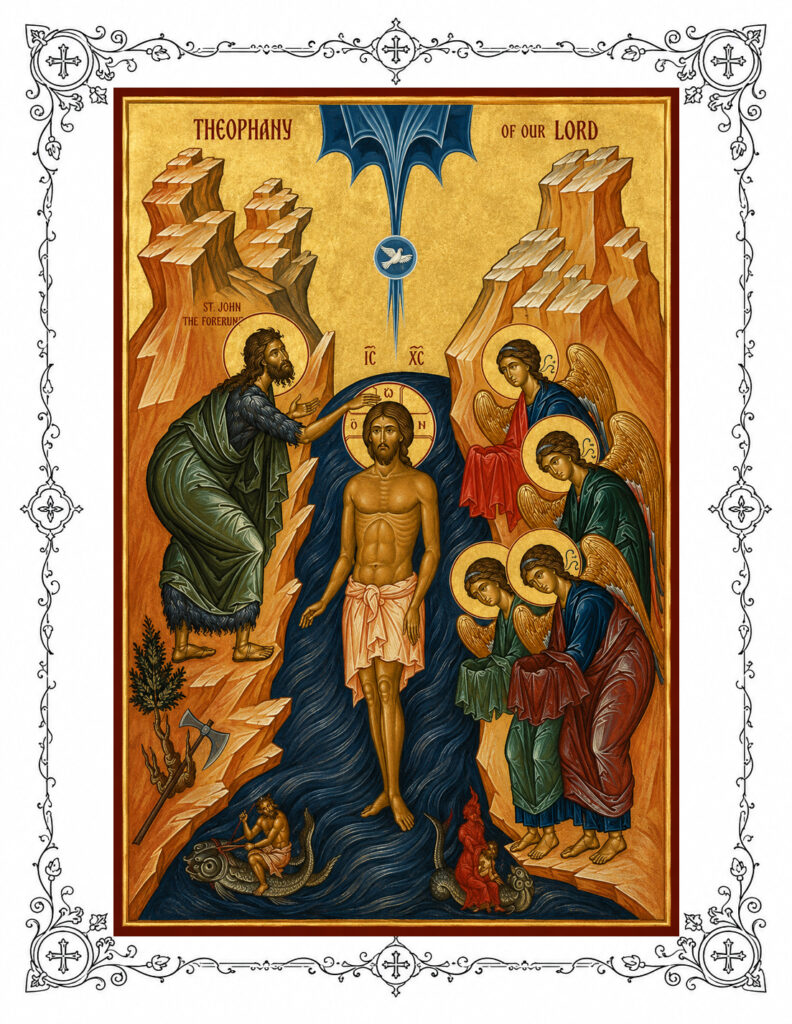
Liturgical Connections: This passage is read during the Vespers of Theophany as part of the Old Testament readings, connecting the primordial waters of judgment with the sanctifying waters of Christ’s Baptism in the Jordan. The Church sees in the Flood narrative a type of baptismal regeneration, and this opening verse sets the stage for understanding why such cleansing was necessary.
Spiritual Application: For Orthodox spirituality, this verse reminds the faithful that mere existence and multiplication are insufficient for salvation. The Desert Fathers would later teach that the spiritual life requires not simply living but living rightly—theosis rather than mere biological continuation. The multiplication of men without the multiplication of virtue leads inevitably to the judgment that follows in subsequent verses. This serves as perpetual warning to the Church that growth must be accompanied by holiness, lest the community face divine correction.
The Book of Leviticus receives its English title from the Latin Vulgate, which is derived from the Greek Septuagint (LXX) title Leuitikon (Λευιτικόν), meaning “Levitical” or “pertaining to the Levites.”

The Book of Exodus receives its English title from the Greek Septuagint (LXX), where it is called Exodos (Ἔξοδος), meaning “departure” or “exit.” This name was chosen because the central

I. Date and Authorship Holy Tradition of the Orthodox Church, affirmed by the Fathers and the liturgical usage of the Church from the earliest centuries, attributes the Book of Genesis

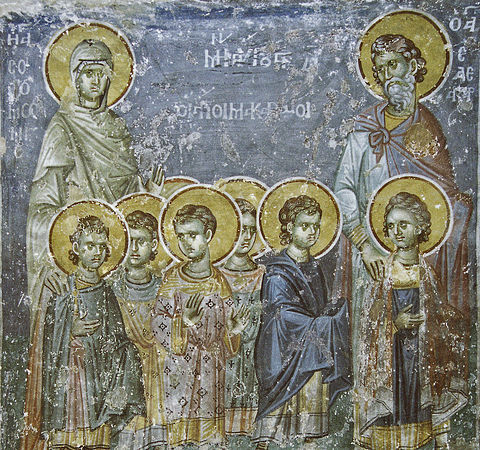
Does Hebrews 11 on the Maccabees Show Stronger Alignment with 4 Maccabees than 2 Maccabees? Hebrews 11 (the famous “Hall of Faith” chapter) does not explicitly mention the Maccabees by