Introduction to the book of Leviticus
The Book of Leviticus receives its English title from the Latin Vulgate, which is derived from the Greek Septuagint (LXX) title Leuitikon (Λευιτικόν), meaning “Levitical” or “pertaining to the Levites.”
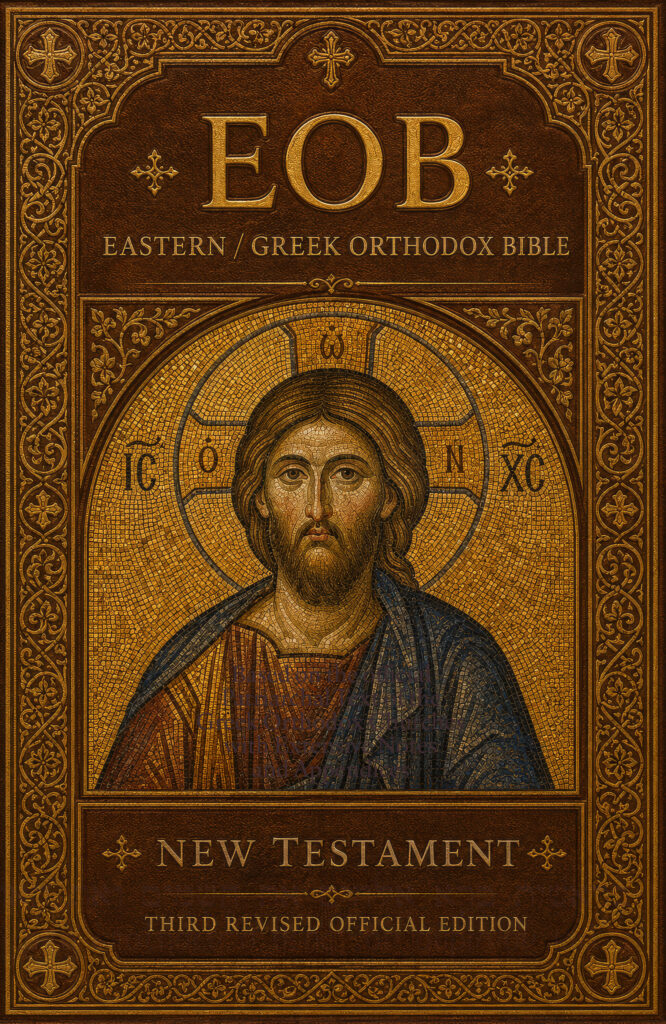
EOB: Official Site of the Eastern / Greek Orthodox Bible (Old and New Testament)
EOB (Eastern / Greek Orthodox Bible):
EOB Footnote:
KJV (King James Version):
WEB (World English Bible):
Benton LXX (Vaticanus):
Douai-Rheims (Vulgate):
Apostoliki Diakonia (LXX):
YLT (Young Literal Translation )(MT):
BBE (Bible in Basic English):
EOB Commentary:
Genesis 6:2 Commentary
The Identity of the Sons of God
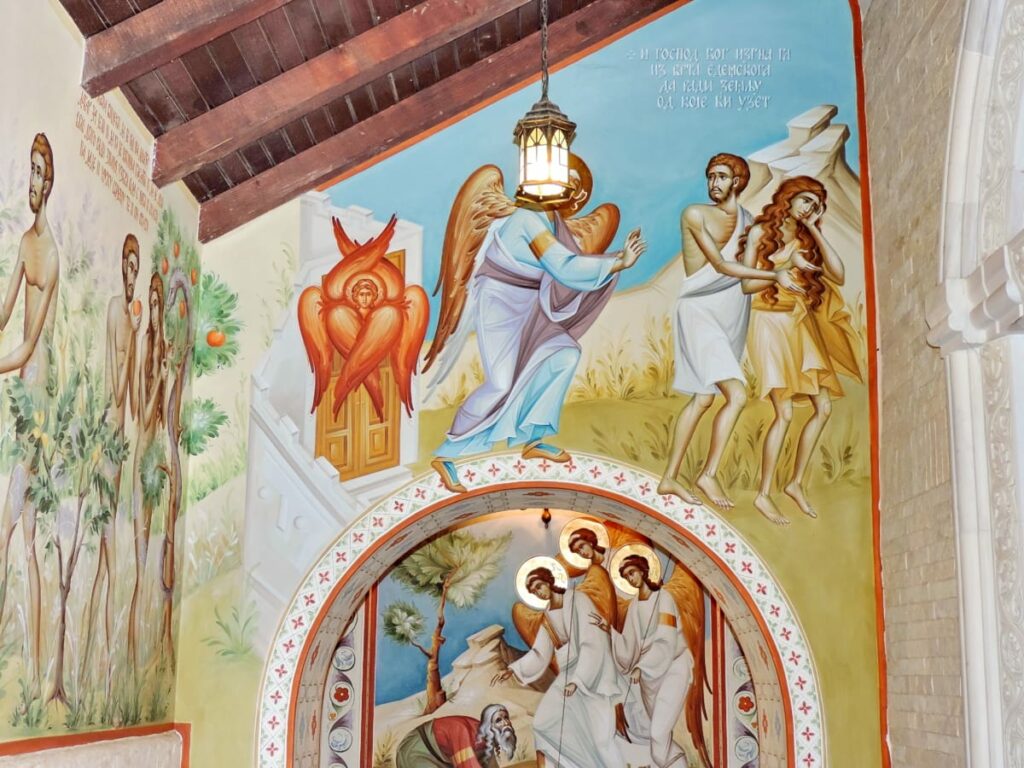
This verse has generated considerable discussion throughout the history of biblical interpretation. The phrase “sons of God” (bene ha-elohim) has been understood in three primary ways within the Orthodox tradition. The most widely accepted patristic interpretation identifies these figures as descendants of Seth, the righteous line, who intermarried with the daughters of Cain, representing the ungodly lineage. This reading emphasizes the spiritual danger of the faithful mixing with those who have abandoned God.
Patristic Witness
Saint John Chrysostom firmly rejected any angelic interpretation, insisting that the term “sons of God” refers to those humans who lived according to divine righteousness. He argued that angels, being incorporeal, could not engage in carnal union with women. Saint Augustine similarly maintained this position in The City of God, seeing here a mingling of the City of God with the City of Man. Saint Ephrem the Syrian also understood these sons of God as Sethites who abandoned their calling through lustful desire.
Spiritual and Typological Significance
The Orthodox spiritual reading of this passage warns against the corruption that enters when believers compromise their faith through improper unions with the world. The Fathers saw this as a prefigurement of the ongoing struggle between flesh and spirit, between those who live according to God and those who follow merely human passions.
This passage also establishes an important theme regarding the preservation of a righteous remnant. Just as Noah’s family would be preserved through the coming flood, so the Church understands herself as the ark of salvation in a world corrupted by sin.
Christological Connections
While not directly messianic, this passage contributes to the broader narrative of human corruption that necessitates divine intervention. The increasing wickedness described here points forward to humanity’s need for a Savior. Christ Himself references the days of Noah in Matthew 24:37-39, drawing a parallel between the moral condition preceding the flood and the state of humanity before His second coming.
Liturgical Resonance
During Great Lent, the Church reads extensively from Genesis, and this narrative of pre-flood corruption serves as a call to repentance. The contrast between worldly attachment and faithful obedience remains perpetually relevant for Orthodox spiritual life. The passage reminds the faithful that maintaining spiritual integrity often requires separation from corrupting influences, a theme echoed in monastic spirituality and in the general call to live in the world without being of the world.
The Book of Leviticus receives its English title from the Latin Vulgate, which is derived from the Greek Septuagint (LXX) title Leuitikon (Λευιτικόν), meaning “Levitical” or “pertaining to the Levites.”

The Book of Exodus receives its English title from the Greek Septuagint (LXX), where it is called Exodos (Ἔξοδος), meaning “departure” or “exit.” This name was chosen because the central

I. Date and Authorship Holy Tradition of the Orthodox Church, affirmed by the Fathers and the liturgical usage of the Church from the earliest centuries, attributes the Book of Genesis

Does Hebrews 11 on the Maccabees Show Stronger Alignment with 4 Maccabees than 2 Maccabees? Hebrews 11 (the famous “Hall of Faith” chapter) does not explicitly mention the Maccabees by