Genesis 6:22 – Commentary
Noah’s Perfect Obedience
This brief verse stands as a profound summary of Noah’s righteousness, declaring that he did according to all that God commanded him. The phrase “so he did” (kai epoiesen houtos) carries immense theological weight, presenting Noah as the archetype of faithful obedience in a world consumed by corruption.
Typological Significance for Christ
The Church Fathers consistently recognized Noah as a type of Christ. Just as Noah perfectly fulfilled the divine command to build the ark for the salvation of his household, so Christ perfectly accomplished the Father’s will for the salvation of humanity. Saint John Chrysostom emphasizes that Noah’s obedience was complete and unwavering, lacking nothing of what God prescribed. This prefigures Christ’s own words: “I have glorified You on the earth. I have finished the work which You have given Me to do” (John 17:4). The ark itself becomes a type of the Church, and Noah’s faithful construction anticipates Christ building His Church upon the rock of faith.
Patristic Interpretation
Saint Ephrem the Syrian notes that Noah’s obedience extended over the lengthy period of the ark’s construction, traditionally understood as one hundred years. This patient, sustained faithfulness amid the mockery of his contemporaries demonstrates the endurance required of the righteous. Saint Ambrose of Milan draws attention to the fact that Noah added nothing to nor subtracted anything from God’s instructions, presenting him as a model for how believers should receive divine revelation without alteration.
Liturgical and Spiritual Connections
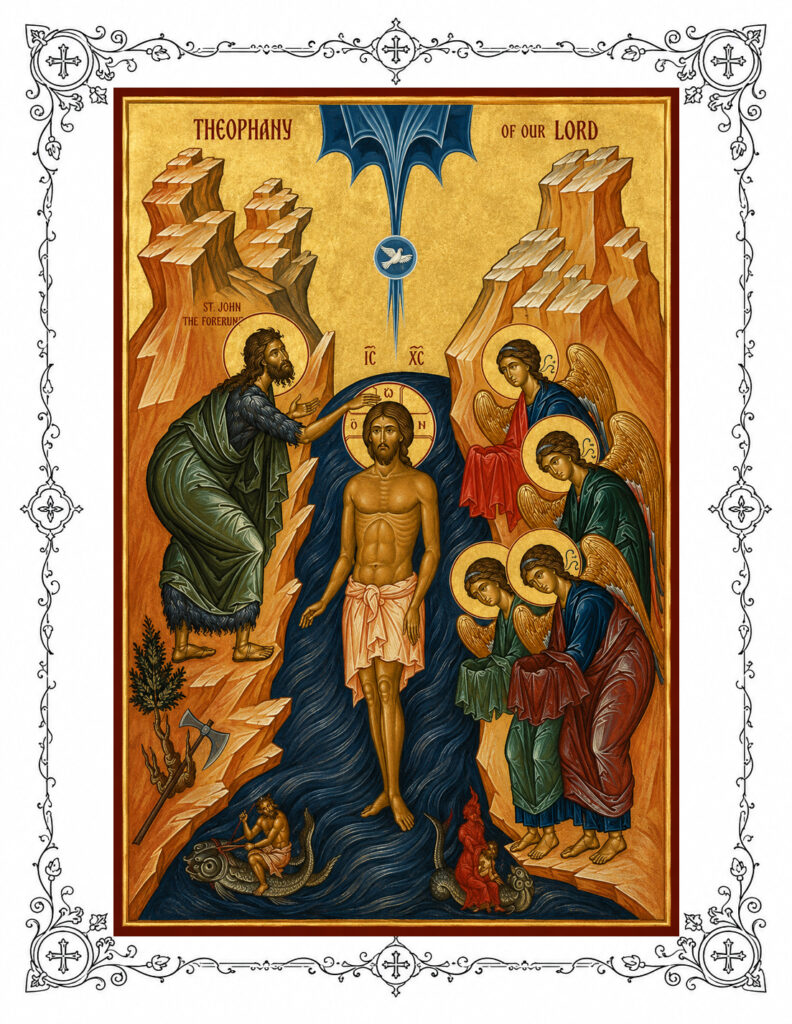
In Orthodox hymnography, particularly during the period of the Triodion, Noah appears as an example of righteousness preserved through judgment. The waters of the flood are liturgically connected to baptism, as Saint Peter himself teaches (1 Peter 3:20-21). Noah’s faithful obedience in constructing the means of salvation through water prefigures our own salvation through the baptismal waters.
The verse also speaks to the Orthodox understanding of synergy between divine grace and human cooperation. Noah received grace, being found righteous in God’s sight, yet he actively cooperated through his obedient labor. This balance reflects the Orthodox teaching that salvation involves both God’s initiative and humanity’s faithful response.
Application for the Spiritual Life
For the Orthodox Christian, this verse serves as an examination of conscience. Do we fulfill all that God commands, or only what seems convenient? Noah’s example challenges believers to complete obedience, trusting that God’s commands, even when they seem foolish to the world, lead to salvation. The spiritual fathers teach that such obedience requires the death of self-will, the very struggle undertaken in ascetic practice and monastic life.