Introduction to the book of Leviticus
The Book of Leviticus receives its English title from the Latin Vulgate, which is derived from the Greek Septuagint (LXX) title Leuitikon (Λευιτικόν), meaning “Levitical” or “pertaining to the Levites.”
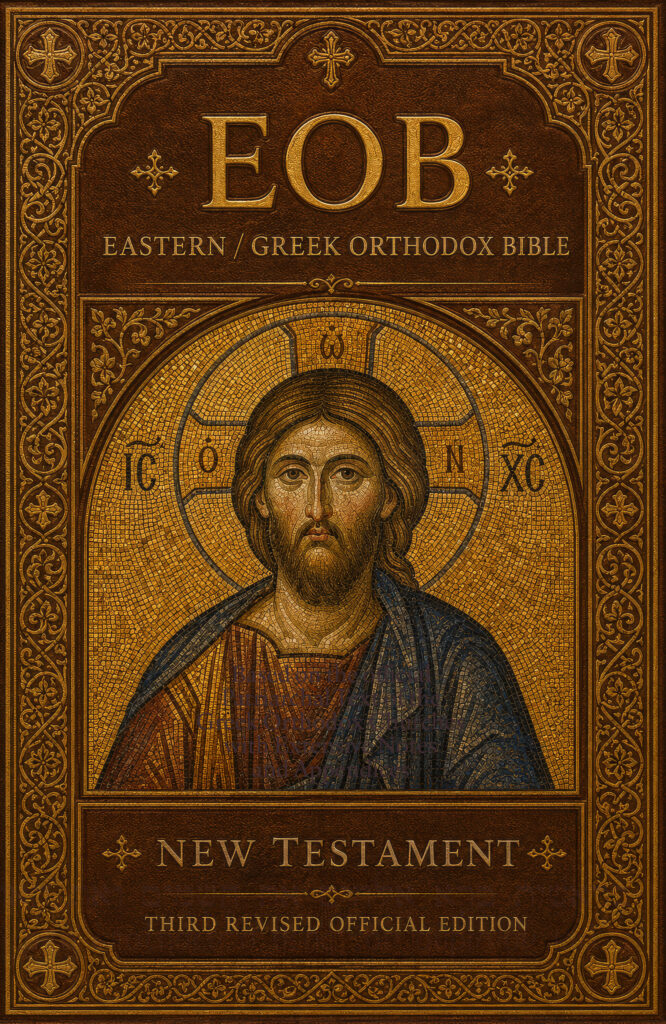
EOB: Official Site of the Eastern / Greek Orthodox Bible (Old and New Testament)
EOB (Eastern / Greek Orthodox Bible):
EOB Footnote:
KJV (King James Version):
WEB (World English Bible):
Benton LXX (Vaticanus):
Douai-Rheims (Vulgate):
Apostoliki Diakonia (LXX):
YLT (Young Literal Translation )(MT):
BBE (Bible in Basic English):
EOB Commentary:
Commentary on Genesis 7:12
The Forty Days and Forty Nights
The duration of the rain—forty days and forty nights—carries profound typological significance throughout Scripture and Orthodox spiritual tradition. This number appears repeatedly as a period of trial, purification, and divine preparation. Moses spent forty days on Mount Sinai receiving the Law. Elijah journeyed forty days to Horeb. Most significantly, our Lord Jesus Christ fasted forty days and forty nights in the wilderness before beginning His public ministry.
Christological Significance
The Fathers understood the flood waters as both judgment and mercy—destroying the old corrupted world while preserving the righteous remnant through whom salvation would come. Saint Ambrose of Milan draws a direct connection between the waters of the flood and baptism, noting that just as the flood cleansed the earth of wickedness, so baptismal waters cleanse the soul of sin. The forty days of rain prefigure the forty days of Great Lent, during which the faithful undergo spiritual purification through fasting, prayer, and repentance.
Liturgical Connections
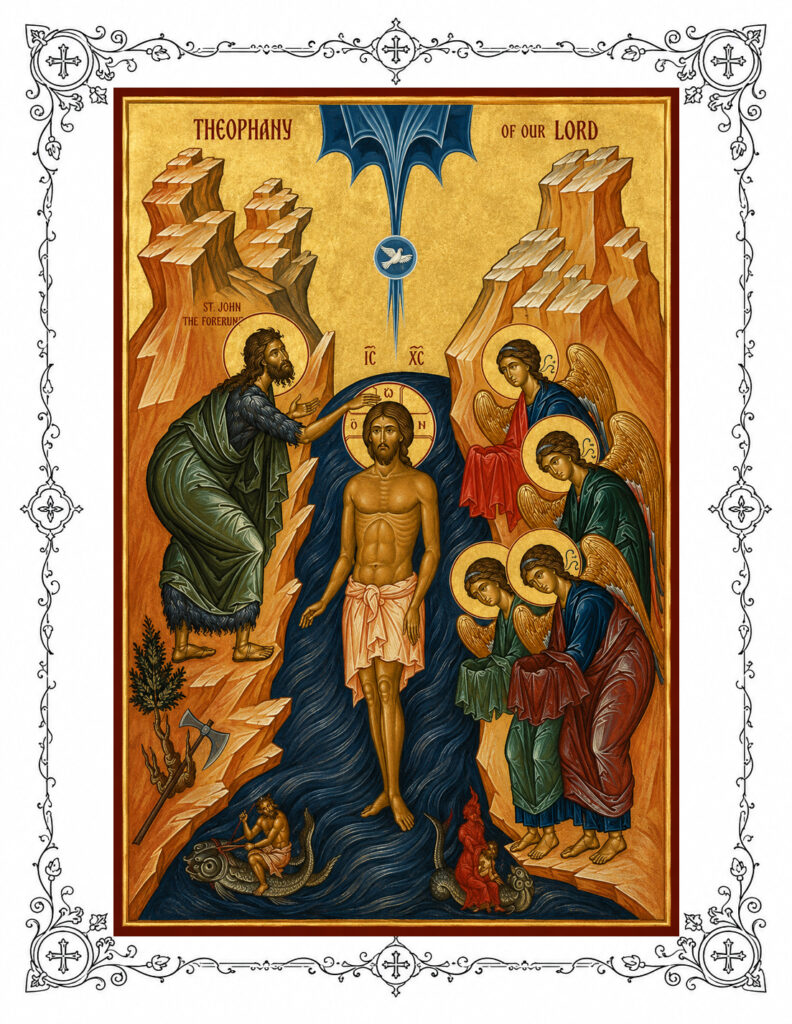
The Orthodox Church preserves this typology in the structure of Great Lent itself—forty days of intense spiritual labor preparing the faithful for Pascha. The Triodion hymns frequently invoke flood imagery, reminding believers that they pass through the waters of repentance to reach the resurrection. The blessing of waters at Theophany also echoes this theme, as the Church prays that the waters become sources of sanctification rather than destruction.
Patristic Interpretation
Saint John Chrysostom emphasizes that God’s patience had reached its limit after generations of human wickedness, yet even in judgment, divine mercy preserved Noah and his family. The prolonged duration of the rain demonstrates both the thoroughness of divine judgment and the completeness of purification required before new creation could emerge.
Spiritual Application
For Orthodox Christians, the forty days remind us that genuine transformation requires sustained effort and divine cooperation. Spiritual change does not occur instantaneously but through patient endurance of trials. As the earth was renewed through the flood, so the human heart is renewed through the sustained practice of asceticism and prayer. The faithful are called to enter their own ark—the Church—and endure the storms of temptation until they emerge into the new life of the resurrection.
The Book of Leviticus receives its English title from the Latin Vulgate, which is derived from the Greek Septuagint (LXX) title Leuitikon (Λευιτικόν), meaning “Levitical” or “pertaining to the Levites.”

The Book of Exodus receives its English title from the Greek Septuagint (LXX), where it is called Exodos (Ἔξοδος), meaning “departure” or “exit.” This name was chosen because the central

I. Date and Authorship Holy Tradition of the Orthodox Church, affirmed by the Fathers and the liturgical usage of the Church from the earliest centuries, attributes the Book of Genesis

Does Hebrews 11 on the Maccabees Show Stronger Alignment with 4 Maccabees than 2 Maccabees? Hebrews 11 (the famous “Hall of Faith” chapter) does not explicitly mention the Maccabees by