EOB: Official Site of the Eastern / Greek Orthodox Bible (Old and New Testament)

Genesis 7:15

EOB (Eastern / Greek Orthodox Bible):

They went to Noah and got on the boat, two by two of every living creature that had the breath of life.

EOB Footnote:

The MT specifies “two of all flesh in which there is the breath of life” whereas the LXX reads simply “two by two of all flesh in which there is the breath of life.” The MT also concludes with “they came to Noah to the ark” while the LXX has “they entered with Noah into the ark,” presenting a slightly different perspective on the action (coming toward Noah versus entering alongside him).

Other Translations:

KJV (King James Version):

And they went in unto Noah into the ark, two and two of all flesh, wherein is the breath of life.

WEB (World English Bible):

They went to Noah into the ship, by pairs of all flesh with the breath of life in them.

Benton LXX (Vaticanus):

“And they went in to Noah into the ark, two and two of all flesh in which is the breath of life.”

Douai-Rheims (Vulgate):

And they went in to Noe into the ark, two and two of all flesh, wherein was the breath of life.

Apostoliki Diakonia (LXX):

They came to Noah into the ark, two by two of all flesh in which there was the breath of life.

YLT (Young Literal Translation )(MT):

“They went to Noah into the ark, two by two of all flesh in which is the breath of life.”

BBE (Bible in Basic English):

null

EOB COMMENTARY:

EOB Commentary:

Commentary on Genesis 7:15

The Entrance of Living Flesh into the Ark

This verse describes the animals entering Noah’s ark “two by two,” possessing “the breath of life” (pneuma zoes in the Septuagint). The pairing and the emphasis on living breath carry profound theological significance that the Church Fathers recognized as prefiguring salvation history.

Typological Significance for Christ and the Church: The ark itself has been universally understood by the Fathers as a type of the Church and of Christ Himself. Saint Justin Martyr and Saint Irenaeus both taught that as the ark preserved all living flesh through the waters of judgment, so Christ preserves humanity through the waters of baptism. The animals entering “two by two” has been interpreted by some Fathers, including Saint Ambrose, as representing the union of soul and body that Christ came to save entirely—not merely the spirit, but the whole person possessing the breath of life.

The phrase “breath of life” (pneuma zoes) echoes Genesis 2:7, where God breathed life into Adam. This connection reminds us that the same God who created life now acts to preserve it. The Fathers saw in this preservation a foreshadowing of the resurrection, where Christ, the New Adam, breathes the Holy Spirit upon His disciples and restores the breath of life to all creation.

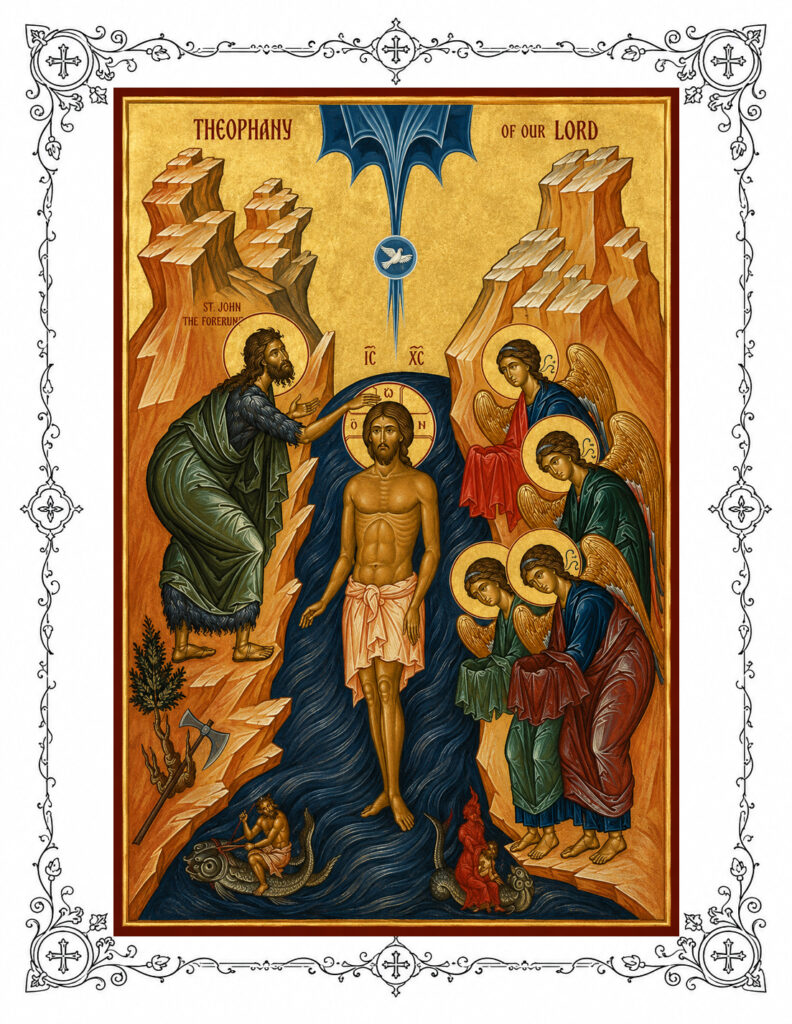
Liturgical Connections: The Orthodox Church reads from the account of Noah during the Vesperal Liturgy of Theophany, connecting the flood waters to baptismal waters. The preservation of “all flesh” in the ark typologically anticipates the universal scope of salvation offered through Christ. The animals entering the ark also appear in Orthodox iconography of the flood, emphasizing God’s care for all creation—a theme central to Orthodox ecological spirituality.

Patristic Witness: Saint John Chrysostom, in his Homilies on Genesis, emphasizes God’s philanthropia (love for humanity) displayed in the careful preservation of every kind of creature. He notes that God Himself directed the animals to Noah, demonstrating divine providence over creation. Saint Ephrem the Syrian similarly marvels at how the wild and tame animals entered peacefully together, seeing this as a restoration of the paradisal harmony lost through Adam’s fall—and a prophecy of the eschatological peace described by Isaiah, when the wolf shall dwell with the lamb.

Spiritual Application: For Orthodox spirituality, this verse reminds the faithful that salvation encompasses the whole person—body and soul together possessing the breath of life. The Church, like the ark, gathers all who possess life, preserving them through the turbulent waters of this present age until they reach the shores of the Kingdom.

Introduction to the book of Leviticus

The Book of Leviticus receives its English title from the Latin Vulgate, which is derived from the Greek Septuagint (LXX) title Leuitikon (Λευιτικόν), meaning “Levitical” or “pertaining to the Levites.”

Read More »

Introduction to the book of Exodus

The Book of Exodus receives its English title from the Greek Septuagint (LXX), where it is called Exodos (Ἔξοδος), meaning “departure” or “exit.” This name was chosen because the central

Read More »