Commentary on Genesis 7:21
The Universal Judgment and the Waters of Death
This verse presents the stark reality of divine judgment upon all flesh that moved upon the earth. The comprehensive nature of the destruction—encompassing fowl, cattle, beasts, creeping things, and humanity—reveals both the severity of sin’s consequences and the totality of corruption that had infected creation. The Fathers understood this universal death as a profound type of the spiritual death that sin brings to all humanity.
Typological Significance for Baptism
Saint Cyril of Jerusalem and other Fathers drew a direct connection between the flood waters and the waters of baptism. Just as all flesh perished in the deluge, so too the old man dies in the baptismal font. The death described in this verse becomes, paradoxically, a prototype of salvific death—the death that precedes resurrection. In the Orthodox baptismal rite, the triple immersion signifies burial with Christ, and the flood waters that destroyed sinful flesh prefigure the waters that now destroy the body of sin.
Christological Reading
The death of all flesh outside the ark points toward the necessity of being found in Christ, the true Ark of salvation. Saint Justin Martyr and Saint Irenaeus both emphasized that as only those within the ark were preserved, so only those incorporated into Christ through baptism and faith escape eternal death. The universality of death in this verse underscores the universality of humanity’s need for the Savior.
Liturgical Connections
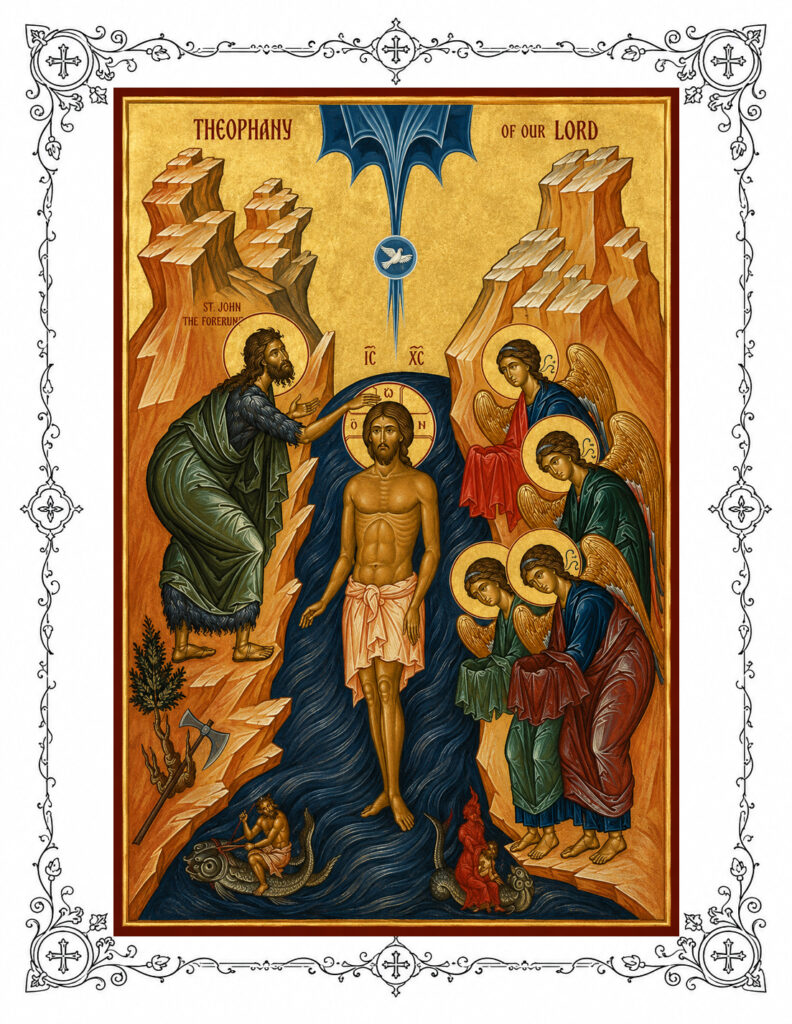
The Great Blessing of Waters at Theophany recalls the flood narrative, acknowledging that the same element that once brought death now brings life through Christ’s sanctification. The prayers speak of water’s dual nature—destructive and life-giving—finding their resolution in the Incarnation. During the blessing, the Church remembers how God purified the world through water and now offers that same water as a means of purification and renewal.
Patristic Reflection on Divine Mercy
Saint John Chrysostom, commenting on this passage, noted that even in judgment, God’s mercy is present. The long period of ark-building served as a call to repentance. The death of the wicked, while terrible, also ended the spread of corruption and preserved the possibility of righteous humanity continuing through Noah. Chrysostom saw in this a pattern of God’s providential care that permits suffering while working toward ultimate restoration.
Eschatological Dimension
Orthodox theology sees in the flood a type of the final judgment. As all flesh perished except those preserved in the ark, so at the Second Coming, only those found in Christ shall be saved from eternal death. This verse thus serves as a sobering reminder of the reality of judgment while simultaneously pointing toward the hope of salvation offered through the Church, the ark of the new covenant.