Commentary on Genesis 8:11
The Return of the Dove with the Olive Branch
This verse stands as one of the most richly symbolic moments in the entire Old Testament, bearing profound significance for Orthodox theology, Christology, and liturgical life.
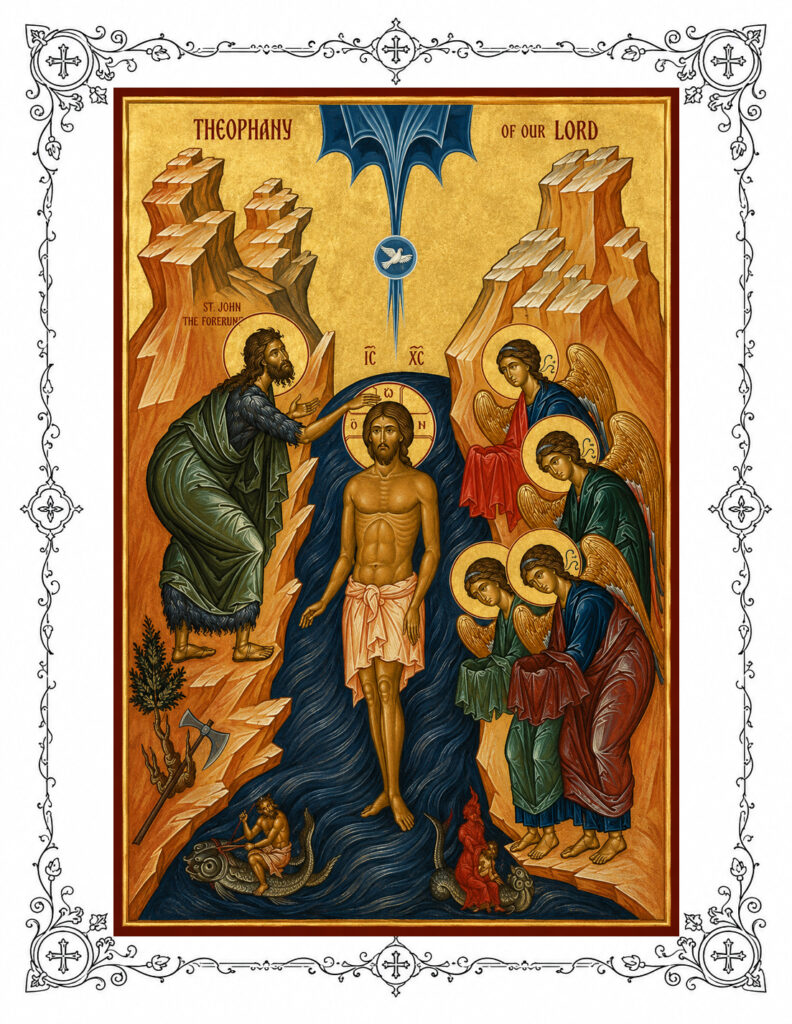
Typological Significance for Christ and the Church: The dove returning to Noah with a freshly plucked olive leaf announces the end of God’s judgment and the beginning of new creation. The Holy Fathers consistently interpreted this image as a prefiguration of the Holy Spirit descending upon Christ at His baptism in the Jordan. Just as the dove brought news of salvation to those in the ark, so the Spirit descends upon the New Adam to inaugurate the salvation of the world. Saint Cyril of Jerusalem explicitly connects this passage to Christian baptism, noting that as the dove announced deliverance from the flood, so the Holy Spirit announces our deliverance from sin through the waters of baptism.
The olive branch itself carries deep meaning. Saint John Chrysostom observes that the olive, source of oil used for anointing, points toward Christ the Anointed One (Christos). The oil of gladness with which the Messiah is anointed brings healing and peace to humanity. Furthermore, the olive branch became the universal symbol of peace, foreshadowing the peace that Christ establishes between God and humanity through His sacrifice.
Liturgical Connections: This imagery permeates Orthodox worship. During the Great Blessing of Waters at Theophany, the Church recalls the baptism of Christ and the descent of the Spirit in the form of a dove. The prayers explicitly reference the Noahic flood as a type of baptism. The olive branch appears in iconography of the Annunciation and in various liturgical contexts where peace and divine favor are invoked.
In the sacrament of Holy Chrismation, the newly baptized Christian is anointed with oil sanctified by the bishop, recalling how the olive brought by the dove signified God’s mercy. The faithful become temples of the Holy Spirit, sealed with the gift of peace.
Spiritual Interpretation: For Orthodox spirituality, the evening hour when the dove returns suggests the patience required in the spiritual life. Noah sent the dove multiple times before receiving this sign. Similarly, the Christian must persist in prayer and watchfulness, trusting that God will send consolation in His appointed time. The dove finding rest and bringing back evidence of new life mirrors the soul that, after the flood of repentance, discovers the green shoots of virtue springing forth through divine grace.
The ark floating upon the waters of judgment while preserving life within has always been understood as a type of the Church, the vessel of salvation carrying the faithful through the turbulent waters of this age toward the peaceful harbor of the Kingdom.