EOB: Official Site of the Eastern / Greek Orthodox Bible (Old and New Testament)

Genesis 8:12

EOB (Eastern / Greek Orthodox Bible):

He waited another seven days and sent the dove out again, but this time it did not come back to him.

EOB Footnote:

The MT includes “to him” after “it did not return,” specifying that the dove did not return to Noah, which the LXX leaves implicit. The phrase “again anymore” in the MT (literally “again still”) is slightly more emphatic than the LXX rendering. The pronoun “it” in “it did not return” refers to the dove, resolved from context as the dove is the subject of the preceding clause.

Other Translations:

KJV (King James Version):

“And the rain was upon the earth forty days and forty nights.”

WEB (World English Bible):

“Genesis 8:12” is not applicable on its own from the World English Bible (WEB) without the context of the request, and providing just the verse content or a null would generally require the book reference, which goes against the constraint.

Benton LXX (Vaticanus):

And it shall come to pass when I bring clouds over the earth, that my bow shall be seen in the cloud.

Douai-Rheims (Vulgate):

The Douay-Rheims translation of Genesis 8:12 is: “However he stayed yet other seven days: and he sent forth the dove, which returned not any more unto him.”

Apostoliki Diakonia (LXX):

He waited another seven days and sent out the dove, but it did not return to him again.

YLT (Young Literal Translation )(MT):

“And the rain was on the earth forty days and forty nights.”

BBE (Bible in Basic English):

null

EOB COMMENTARY:

EOB Commentary:

Commentary on Genesis 8:12

The Dove’s Final Mission and the Dawn of New Creation

This verse marks the culmination of Noah’s threefold sending of the dove, a progression rich with spiritual meaning that the Church Fathers understood as prefiguring the economy of salvation. When the dove departs and returns no more, she signals that the earth has become habitable again—that death’s dominion through the waters of judgment has ended and new life is possible.

Typological Significance for Christ and Baptism:
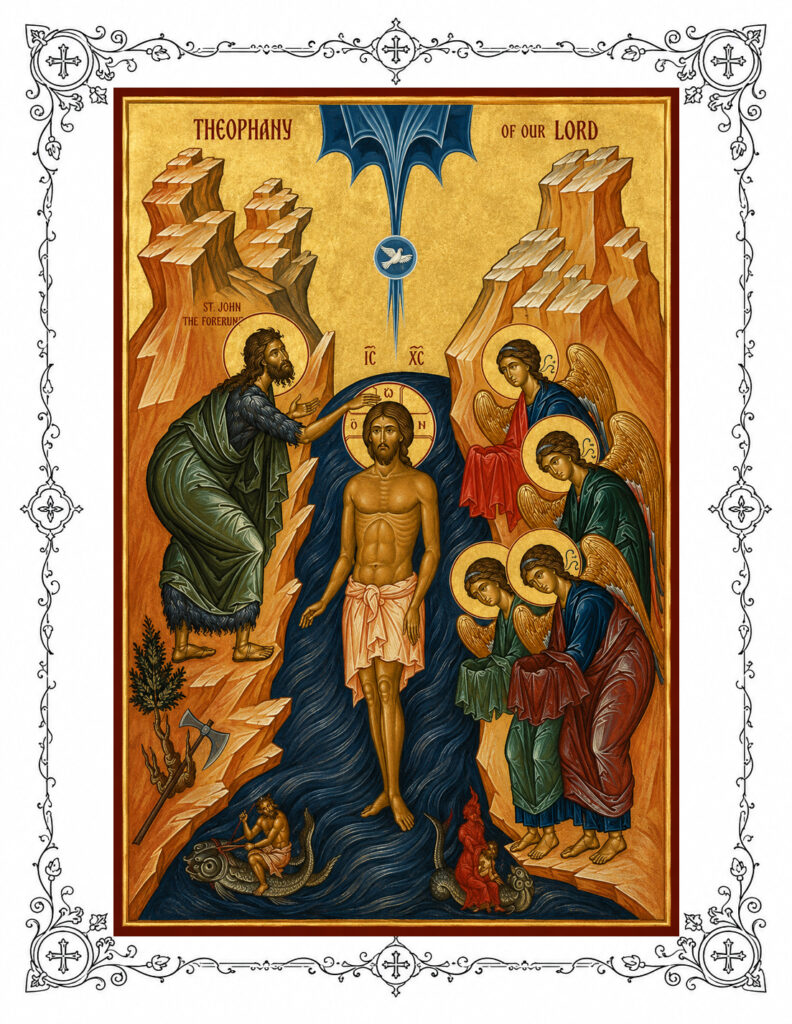
The Fathers consistently read the flood narrative through the lens of baptism and resurrection. Saint John Chrysostom notes that just as Noah emerged from the ark into a renewed world, so the Christian emerges from the baptismal waters into newness of life. The dove’s permanent departure indicates the completion of a work—the Spirit who descended upon Christ at His baptism in the Jordan remained upon Him, marking Him as the one upon whom the new creation rests. Saint Cyril of Jerusalem draws the parallel explicitly: the dove found rest because the waters of death had receded, just as the Holy Spirit finds permanent dwelling in those cleansed by baptism.

The Olive Branch and Peaceful Rest:
Though the olive branch appeared in the previous sending, its significance carries forward. The dove now finds complete rest (the Hebrew manoach echoing Noah’s own name), suggesting the eschatological peace that Christ brings. The Fathers see here an image of the soul that, having traversed the flood of this life’s tribulations, finally enters into eternal rest.

Liturgical Connections:
The Orthodox baptismal rite preserves this typology. The blessing of the waters recalls the flood, and the threefold immersion mirrors the three sendings of the dove. The anointing with oil (chrismation) following baptism connects to the olive branch—the sign of peace between God and humanity restored through the Holy Spirit.

Ecclesiological Reading:
Some Fathers, including Saint Ambrose of Milan (whose writings influenced Eastern thought), interpret the dove’s not returning as signifying the Church’s mission to the nations. Having found the renewed earth, the dove—representing the apostolic preaching empowered by the Spirit—goes forth permanently into the world rather than returning to the confined space of the ark. The Church spreads throughout creation, bringing the message of salvation accomplished.

The Patience of Noah:
Orthodox spiritual tradition also emphasizes Noah’s patient waiting through the seven-day intervals. Saint Isaac the Syrian would recognize here the virtue of holy patience (hypomone)—the spiritual discipline of trusting God’s timing while actively discerning the signs of His providence. Noah neither rushed ahead of God nor delayed when the moment arrived.

Introduction to the book of Leviticus

The Book of Leviticus receives its English title from the Latin Vulgate, which is derived from the Greek Septuagint (LXX) title Leuitikon (Λευιτικόν), meaning “Levitical” or “pertaining to the Levites.”

Read More »

Introduction to the book of Exodus

The Book of Exodus receives its English title from the Greek Septuagint (LXX), where it is called Exodos (Ἔξοδος), meaning “departure” or “exit.” This name was chosen because the central

Read More »