Introduction to the book of Ruth
I. Title and place in the canon The book bears the name of its heroine in Greek (Routh) and in Hebrew (Rut): Ruth, a woman of Moab who became the great-grandmother of King David and an ancestor of Christ. In the Septuagint, Ruth follows Judges directly, since its story takes place “in the days when […]
Introduction to the book of Judges
I. Title and place in the canon The Greek title Kritai and the Hebrew title Shofetim both mean “Judges.” The “judges” of the book are not chiefly magistrates but leaders raised up by God to deliver the tribes of Israel from their enemies and to govern them, between the death of Joshua and the rise […]
Introduction to the book of Joshua
I. Title and place in the canon The Greek title is Iēsous Nauē, “Jesus son of Nave,” the Greek form of “Joshua son of Nun.” The Hebrew name Yehoshua means “the Lord saves.” In the Greek Bible, therefore, the book that tells how the people entered the promised land bears the same name as the […]
Introduction to the book of Deuteronomy
I. Title and place in the canon The English title comes from the Greek Deuteronomion, “second law.” The name comes from 17:18, where the king is to write for himself “this second law,” a Greek rendering of the Hebrew “a copy of this law.” The title fits the book, which restates and expands the law […]
Introduction to the book of Numbers
I. Title and place in the canon The English title comes from the Greek Arithmoi, “Numbers,” after the two censuses of the people that open its first and second halves (1; 26). The Hebrew title, Bemidbar, “In the wilderness,” comes from the first verse and describes the setting of the whole book: the forty years […]
A Response to Fr. John Whiteford’s Review of the EOB New Testament
By Fr Laurent Cleenewerck, EOB Editor In 2021, Fr. John Whiteford published on his blog a substantial review of the EOB New Testament (Newrome Press portable edition). The review deserves a serious answer, first because it is serious criticism — specific, textual, and offered by a priest who plainly wants what the EOB itself wants, […]
The EOB New Testament as an Orthodox Edition: A note on its character, method, and intended use
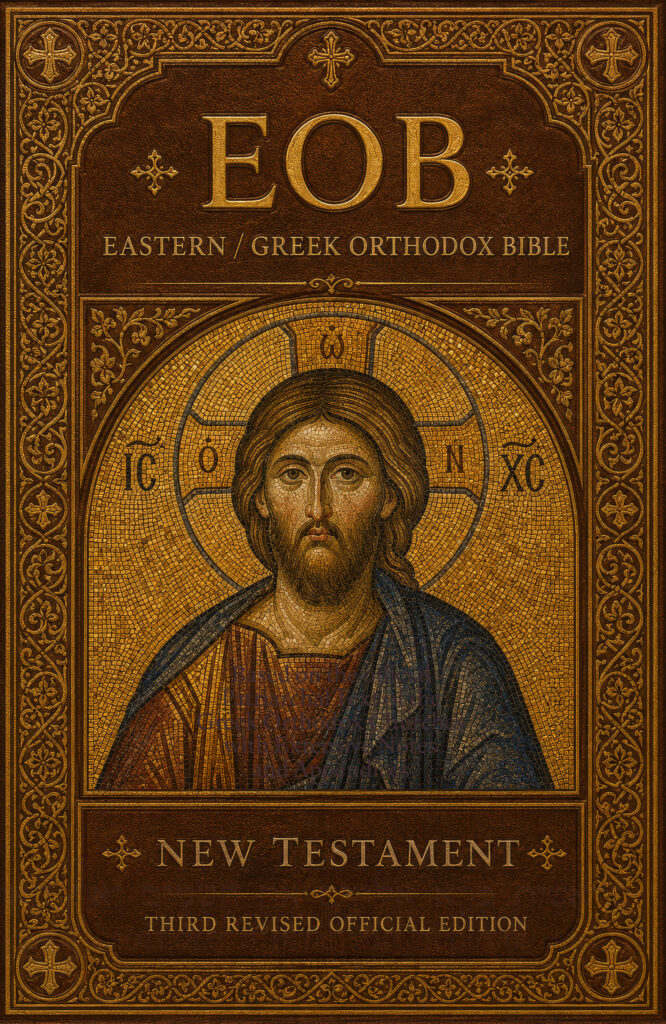
By: Fr Laurent Cleenewerck, EOB Editor The question is sometimes asked in what sense the EOB New Testament (the Eastern / Greek Orthodox Bible) is properly an Orthodox edition and translation of the Scriptures, rather than simply another English version adopted or tolerated by Orthodox readers. The answer rests on four features of its origin, […]
Introduction to the book of Leviticus
I. Title and place in the canon The English title comes from the Greek Leuitikon, “the Levitical book,” the book concerning the service of the priests and Levites. The Hebrew title, Wayyiqra, “And he called,” is the book’s first word: “The Lord called Moses and spoke to him from the tent of witness” (1:1). Leviticus […]
Introduction to the book of Exodus

I. Title and place in the canon The English title comes from the Greek Exodos, “going out” or “departure.” The Septuagint uses the word in 19:1, which dates the arrival at Sinai “in the third month of the exodus of the sons of Israel from the land of Egypt.” The Hebrew title, Shemot, “Names,” comes […]
Introduction to the book of Genesis
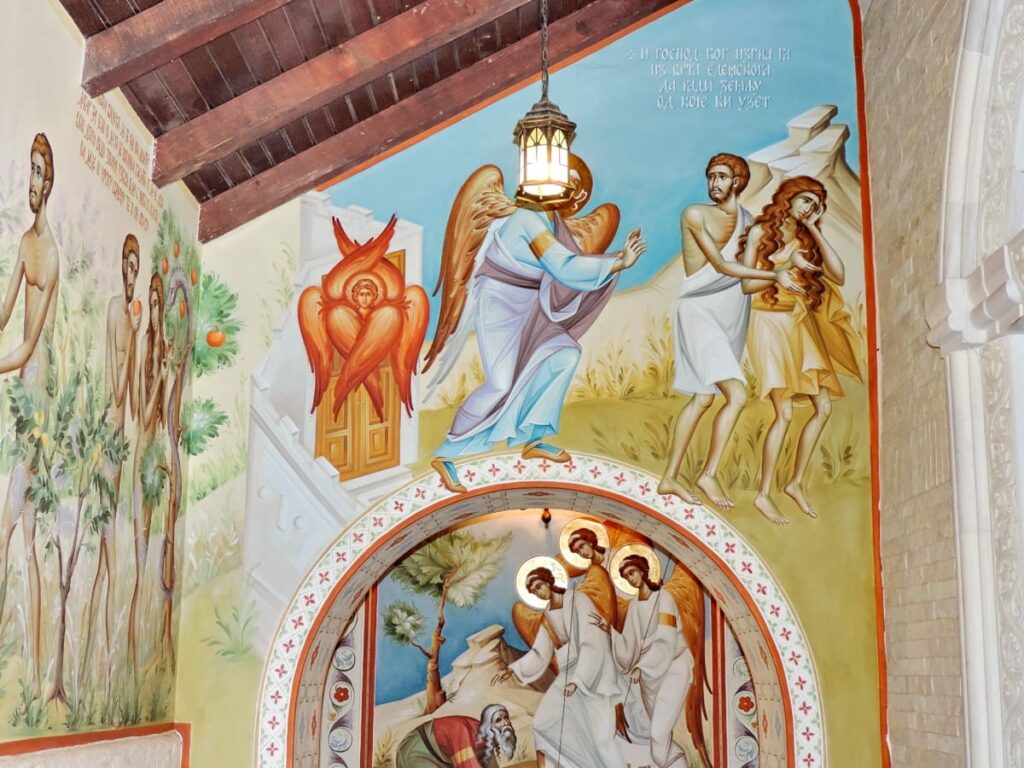
I. Title and place in the canon The English title comes from the Greek Genesis, “origin” or “coming into being.” The Septuagint uses the word in the phrase biblos geneseōs, “the book of the origin” (2:4; 5:1), and Matthew opens his Gospel with the same words: “The book of the origin of Jesus Christ” (Matt […]